Trout fishing should be one of the most enjoyable ways to spend a day on the water. But it can be frustrating if you have a boat, plenty of gear, and a few trips under your belt without much success. Maybe you troll for hours without a bite, swap lures with no plan, or watch other anglers catch fish while you wonder what you’re missing.
The good news: catching more trout usually comes down to a few fundamentals, not a brand-new tackle box. Find the fish, understand what they eat, choose the right presentation, and adjust to the conditions. Whether you fish from a boat, the bank, or vertically over fish on your electronics, this guide gives you a repeatable approach.
In this guide you’ll learn:
- How trout behave and where to find them
- The differences between rainbow, brown, brook, lake, and cutthroat trout
- Which rods, reels, line, hooks, and lures beginners need
- How to rig bait, spinners, spoons, and more
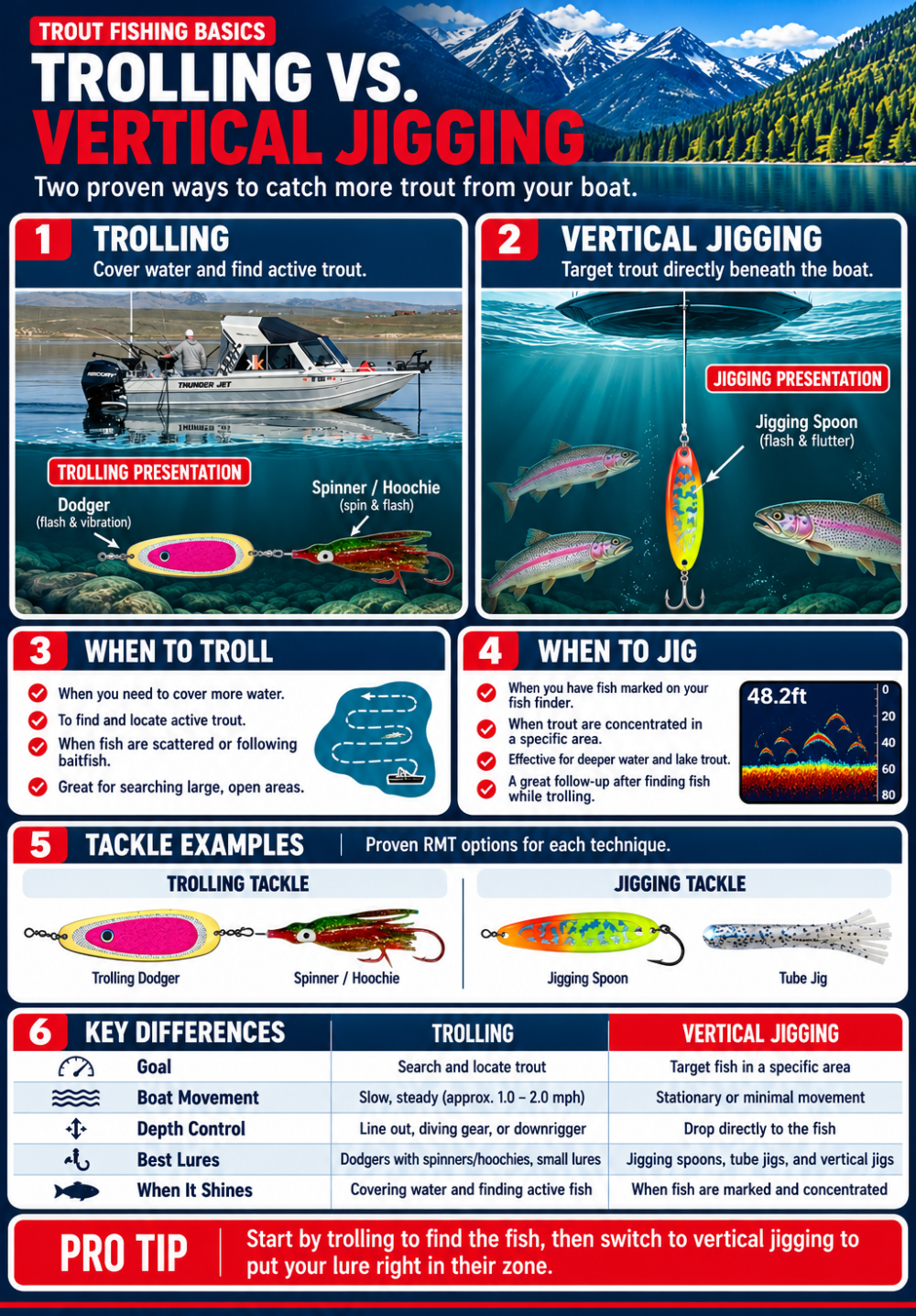
- How to catch trout by trolling and vertical jigging from a boat
- How seasons, weather, and water temperature change your approach
- How to troubleshoot a slow day
How Do You Catch Trout?
The most reliable way to catch trout is to find water that holds fish, identify the depth or spot where they’re feeding, and present a small bait or lure at that level. From a boat, trolling lets you cover water and locate active fish, while vertical jigging targets fish concentrated beneath you. From shore, bait fishing and casting small spinners or spoons are effective starting techniques.
Five Steps to Catch More Trout
- Find the fish. Research the lake, check recent stocking reports where applicable, observe the water, or use your fish finder to locate fish and bait.
- Match your technique to the situation. Troll to cover water, jig when fish are beneath you, and cast when trout are feeding near shore or structure.
- Use a simple, balanced setup. The right rod, reel, line, hook, and lure handle most beginner situations.
- Control your presentation. Pay attention to depth, speed, retrieve, and how your lure moves.
- Change one thing at a time. If you’re not getting bites, adjust depth or location before swapping all your tackle.
The biggest beginner mistake is fishing without a plan: spending too long in unproductive water, changing several variables at once, and never learning what made the difference. A deliberate approach helps you spot patterns and repeat them.
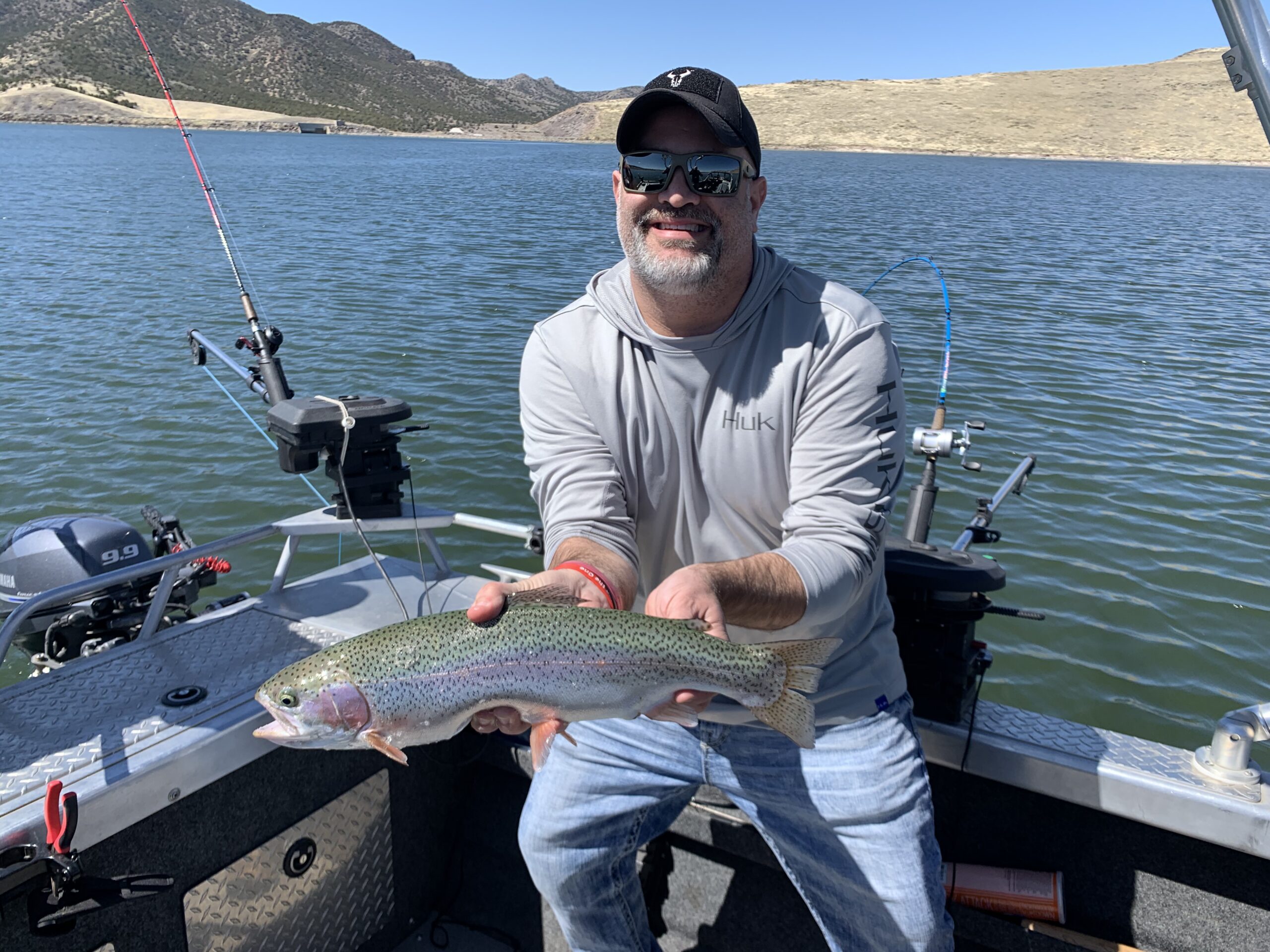
Understanding Trout Behavior: Where to Find Fish
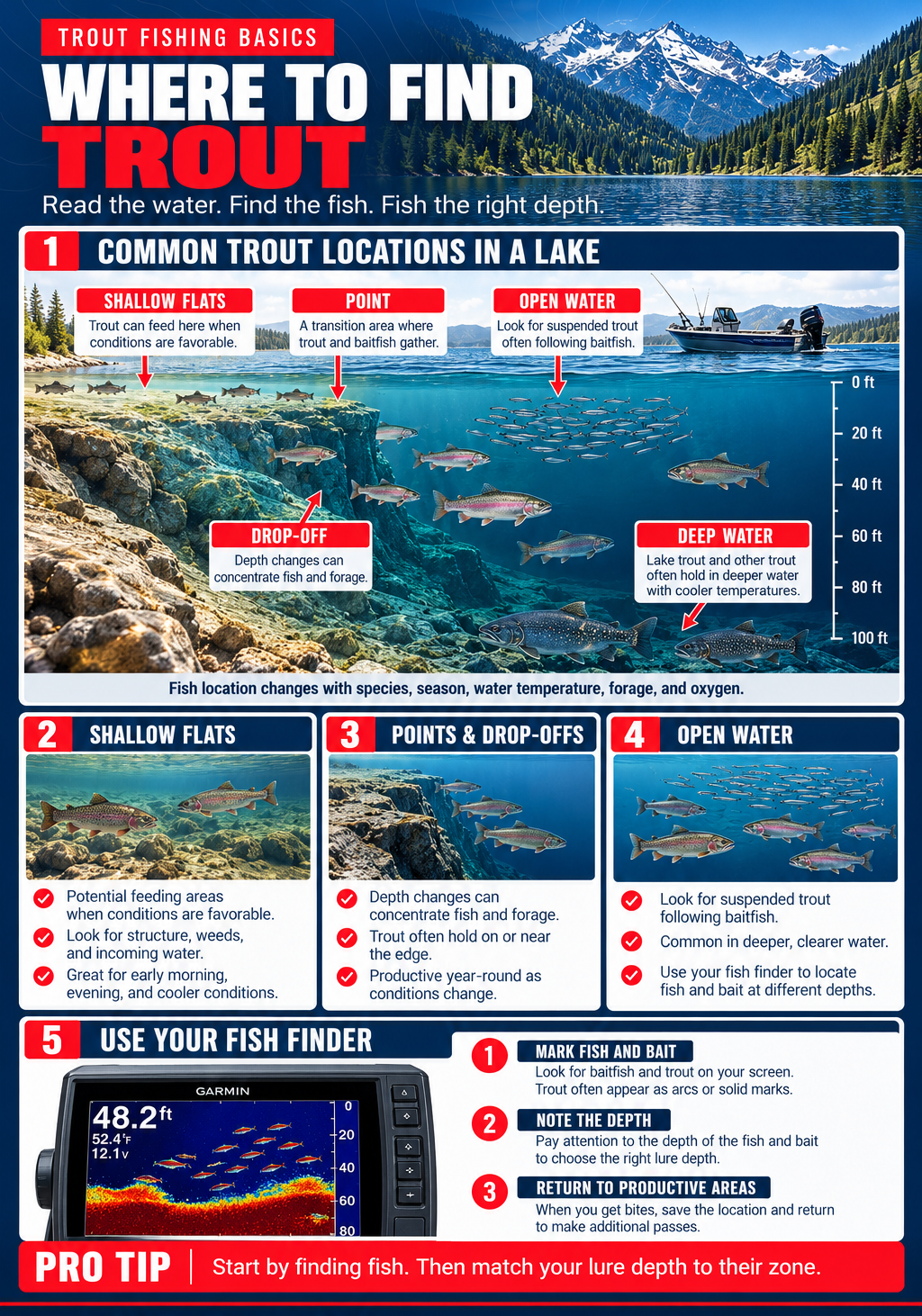
Even great tackle struggles if it’s presented in the wrong place. Trout are cold-water fish, but preferred temperatures, feeding patterns, and habitat vary by species and fishery. They need suitable water temperature, dissolved oxygen, and access to food. In lakes, they may move between shallow feeding areas and deeper water as conditions change.
Water Temperature Matters
Temperature influences trout activity, feeding, and location. As surface water warms, some trout move deeper or seek cooler water, while others stay shallow when food is plentiful. No single temperature or depth works on every lake, because water clarity, forage, oxygen, and species all differ.
- Warm weather: Start with cooler, deeper water, especially for lake trout and other offshore fish.
- Cooler periods: Investigate shallow flats, points, and shorelines where trout can feed.
The practical lesson: pay attention to changing conditions instead of assuming trout will be where you caught them last time.
Look for Food, Not Just Pretty Water
Trout eat aquatic insects, zooplankton, small fish, and other available prey, depending on species and size. Look for places that offer access to food:
- Points where shallow and deep water meet
- Drop-offs and underwater ledges
- Flats where trout feed on insects or small forage
- Inlets and creek mouths, where regulations allow
- Areas where baitfish are concentrated
- Weed edges and other productive habitat
- Channels, basins, and deeper structure that attract lake trout
A point or drop-off isn’t automatically productive. It’s a place to investigate because the change in depth or habitat may concentrate fish or their food. On a boat, use your electronics to find baitfish and trout along a break. That gives you a far better starting point than trolling randomly across the lake.
Low-Light Periods Are Often Best
Early morning and evening can be productive, particularly when temperatures are favorable. Cloud cover, wind, insect activity, and forage movement also affect feeding. Trout don’t stop feeding midday, though. Deep-water fish may stay active, and cloudy conditions can open up shallow opportunities.
If your time is limited, start early and note the first productive pattern. If the bite slows, the fish may simply have moved deeper, shifted locations, or become less willing to chase.
Use Your Fish Finder to Answer Specific Questions
A fish finder is most useful when you use it to make decisions. Ask yourself:
- Are fish suspended in open water or holding near the bottom?
- At what depth are baitfish showing up?
- Is there a depth change nearby?
- Are fish scattered or concentrated in one zone?
- Do fish appear in the same area on a second pass?
Sonar interpretation depends on your equipment, settings, boat speed, and conditions. Not every mark is a trout. Use electronics as a guide, then test what you see with your presentation.
The Different Types of Trout and How to Catch Them
Not all trout behave the same way. Knowing which species live in your lake or river helps you choose the right location, tackle, and technique.
Rainbow Trout
Rainbows are widespread across North America and common in stocked lakes, reservoirs, ponds, rivers, and streams. Stocked fish are an accessible introduction to fishing and often respond well to bait, small spinners, and spoons, depending on angling pressure.
How to catch rainbow trout:
- Use worms or permitted prepared trout bait for a simple bait setup.
- Cast small spinners or spoons around shorelines, points, and feeding areas.
- From a boat, troll small spoons or spinners at a controlled speed.
- Check shallow water when temperatures and feeding activity are favorable.
- Adjust depth if surface activity slows or fish mark deeper.
Tip: In heavily pressured stocked waters, lighter line, smaller presentations, and a careful approach can make a big difference.
Brown Trout
Browns live in streams, rivers, lakes, and reservoirs. They can feed aggressively on small fish, but larger or pressured fish are often cautious. They use cover, depth changes, and current breaks to feed while conserving energy.
How to catch brown trout:
- In streams, cast spinners, spoons, or suitable bait into runs, pools, and current seams.
- In lakes, work drop-offs, rocky points, and areas with baitfish.
- Use a controlled retrieve; faster isn’t always better.
- Try larger forage-imitating lures for bigger fish.
- Limit noise and avoid repeatedly casting directly over wary fish.
Brook Trout
Brook trout favor cool, well-oxygenated water in small streams, lakes, and ponds, depending on the region. Small fish readily hit compact spinners, worms, and small flies, while larger fish can be more selective under pressure.
How to catch brook trout:
- Fish cool streams, pools, and current breaks.
- Use small spinners and spoons or properly presented bait.
- Make accurate casts and avoid disturbing the water.
- Match lure size to the fish and conditions.
- Check local regulations, especially during spawning periods.
In small streams, stealth and accurate presentation often matter more than a large tackle selection.
Lake Trout
Lake trout (lakers) are a different challenge. They commonly occupy deeper water and can be targeted by trolling, vertical jigging, and other methods. Their depth shifts with temperature, forage, oxygen, and season, and they may move shallow to feed or spawn at certain times.
How to catch lake trout:
- Use a fish finder to locate fish and bait in deeper water.
- Troll at a controlled speed with suitable lures and depth-control equipment.
- Jig vertically when fish are concentrated below the boat.
- Match rod, line, and lure weight to the depth and fish size.
- Watch bottom contours, underwater structure, and forage.
For beginners on a boat, vertical jigging is a great skill to learn once you can consistently find fish beneath you.
Cutthroat Trout
Cutthroat are native to parts of western North America, including Utah, where several forms occur in different watersheds. Habitat and behavior vary by subspecies. Some populations live in streams, others in lakes and reservoirs.
How to catch cutthroat trout:
- Research the specific water and population you plan to fish.
- Try small spinners, spoons, flies, or other presentations suited to the habitat.
- In lakes, check shorelines, points, and deeper transitions based on season.
- In streams, target pools, current seams, and suitable holding water.
- Confirm identification, harvest rules, and any special protections before keeping a fish.
Native trout can be vulnerable in some waters. Follow local regulations and handle fish carefully, especially when practicing catch and release.
Essential Trout Fishing Gear for Beginners
You don’t need a specialized rod and reel for every species. A balanced spinning setup covers most beginner situations, especially stocked rainbows and smaller trout in lakes and streams.
Rod and Reel
A light or ultralight spinning rod around 6 to 7 feet is a versatile starting point. Pair it with a smooth spinning reel that holds enough line for the water you fish. A shorter rod is easier around brush or crowded shorelines; a longer rod helps with casting distance and line control.
For boat trolling, rod length, action, and power should match your technique. A light casting rod may not suit every trolling setup, especially with downriggers or large lake trout.
Fishing Line
For general trout fishing, 4- to 8-pound-test line is a reasonable range, depending on the fishery, lure weight, cover, and expected fish size.
- Monofilament: Forgiving and simple to use.
- Fluorocarbon: A good leader material.
- Braid: Low stretch and high sensitivity in suitable applications.
Lighter line helps with casting and natural presentation; heavier line adds strength around structure or for bigger trout. Match your line to your rod, reel, presentation, and target fish.
Hooks, Weights, and Swivels
- Small hooks suited to the bait and fishery
- Egg sinkers or other appropriate weights
- Barrel swivels for suitable rigs
- Snap swivels when compatible with the lure
- Small split shot for adjusting weight
- Leaders appropriate for your line and target species
Avoid more hardware than necessary. Excess weight or bulky terminal tackle changes how a small bait or lure behaves.
Beginner’s Trout Tackle Checklist
- Rod and reel matched to your technique
- Fishing line in an appropriate strength
- A selection of small trout spinners and spoons
- Hooks, weights, swivels, and leader material
- Permitted bait if you plan to bait-fish
- Pliers or forceps for hook removal
- A landing net suitable for your target fish
- A measuring device if local regulations require one
- A valid fishing license
- Sunscreen, water, suitable clothing, and basic safety equipment
A small selection of proven options beats a tackle box full of trout lures you don’t know how to use.
The Best Trout Fishing Rigs for Beginners
A rig is the arrangement of line, hooks, weights, swivels, and leaders that presents your bait or lure. The right rig keeps your offering at the intended depth and lets it move naturally. Learn a few basic setups before trying to master everything.
1. Slip-Sinker Rig for Trout Bait
A straightforward way to present bait near the bottom. It works well for stocked trout in lakes and ponds where bait fishing is permitted.
What you need: main line, a sliding egg sinker, a barrel swivel, leader material, and a hook matched to your bait and regulations.
- Thread the main line through the sliding sinker.
- Tie the main line to a barrel swivel.
- Attach a leader to the other end of the swivel.
- Tie an appropriate hook to the leader.
- Add just enough weight to reach the desired area.
- Bait the hook and cast to a productive location.
The sliding weight lets a fish take line with less immediate resistance, which can help with cautious trout. Leader length depends on bait, bottom conditions, and whether you want the bait on the bottom or slightly above it. Start with a manageable length and adjust. If you use floating prepared bait, test the rig near shore to confirm it lifts the hook as intended.
2. Slip-Float Rig
Suspends bait at a chosen depth. It’s useful when trout feed above the bottom or when you need to keep bait out of weeds.
- Add a compatible slip float to the main line.
- Position a stop knot or depth stop above the float.
- Attach suitable weights and a hook below the float.
- Set the stop to the depth you want to fish.
- Cast and watch the float for movement that signals a bite.
This is a great beginner rig because the float shows you activity and makes it easy to understand where your bait is positioned. If you suspect trout are several feet down, start there and adjust.
3. Spinner or Spoon Setup
Small spinners and spoons cover water and trigger reaction strikes. A spinner produces flash and vibration from a rotating blade; a spoon wobbles and flashes as it moves.
- Tie on a spinner or spoon, using a snap or swivel only when appropriate for the lure.
- Cast beyond the area you want to fish.
- Let the lure sink to the intended depth when conditions allow.
- Retrieve steadily so the lure works as designed.
- Change retrieve speed or casting angle if trout aren’t responding.
If a lure twists your line, review the rigging and lure design. A suitable swivel can help in some cases, but it isn’t a substitute for rigging the lure correctly. Start with one lure and learn how it behaves before switching.
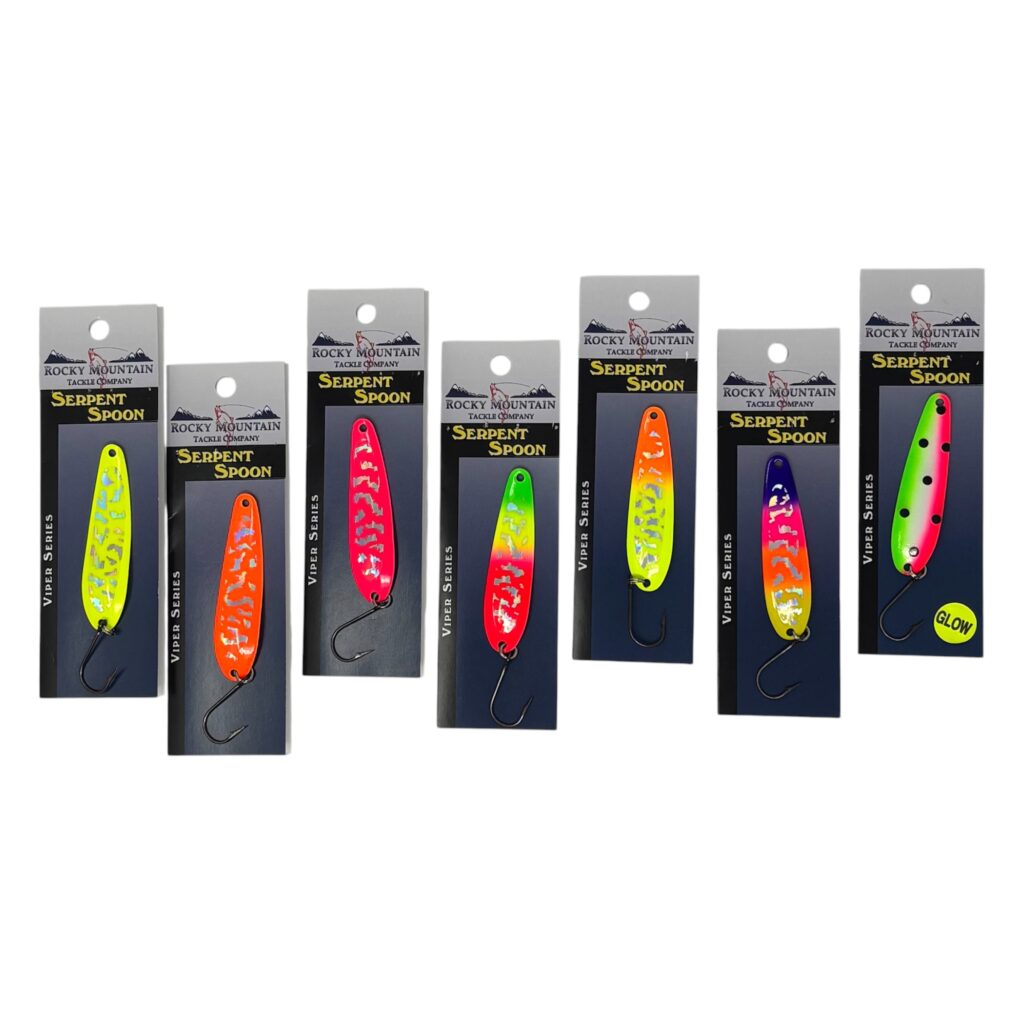
Top Selling Trout Spoons
-
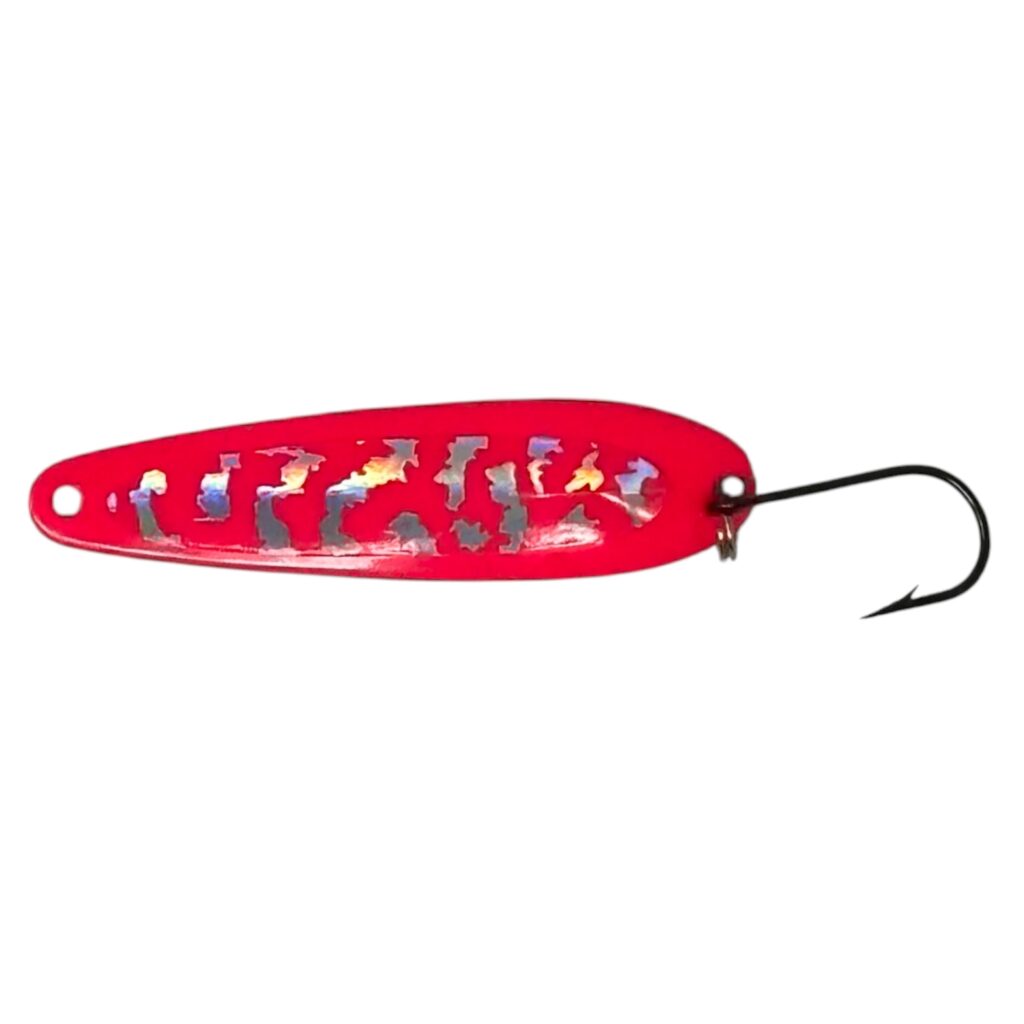
Pink Tiger Viper Serpent Spoon™
$4.49 -
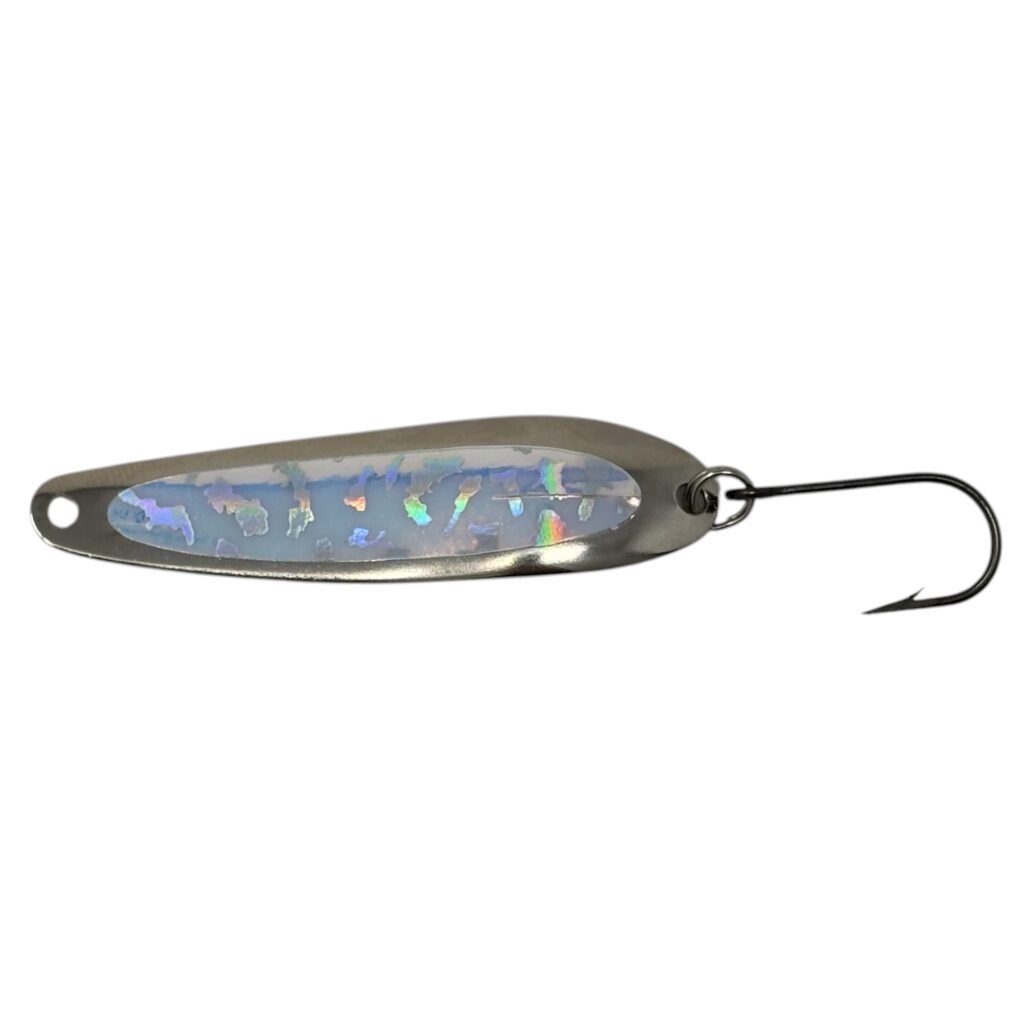
Bahama Mamma Viper Serpent Spoon™
$4.49 -
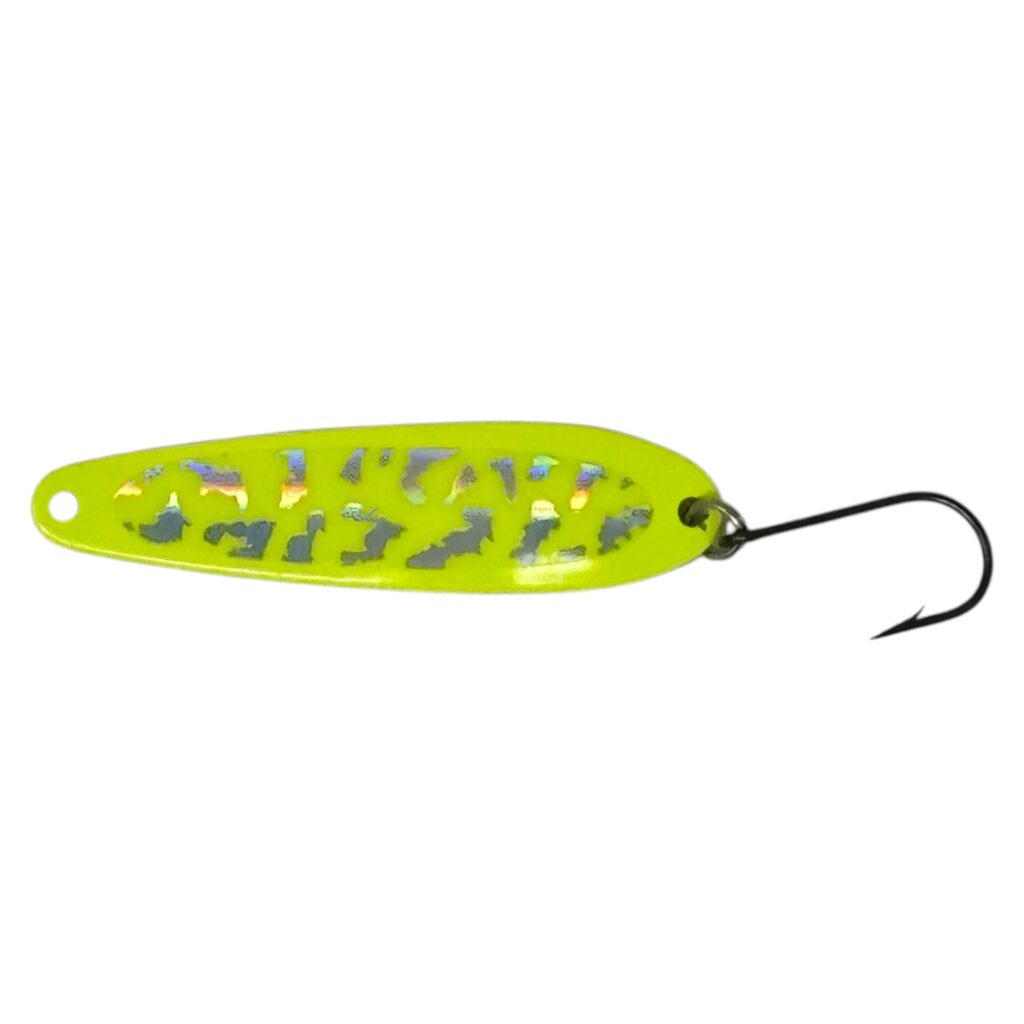
Chartreuse Tiger Viper Serpent Spoon™
$4.49 -
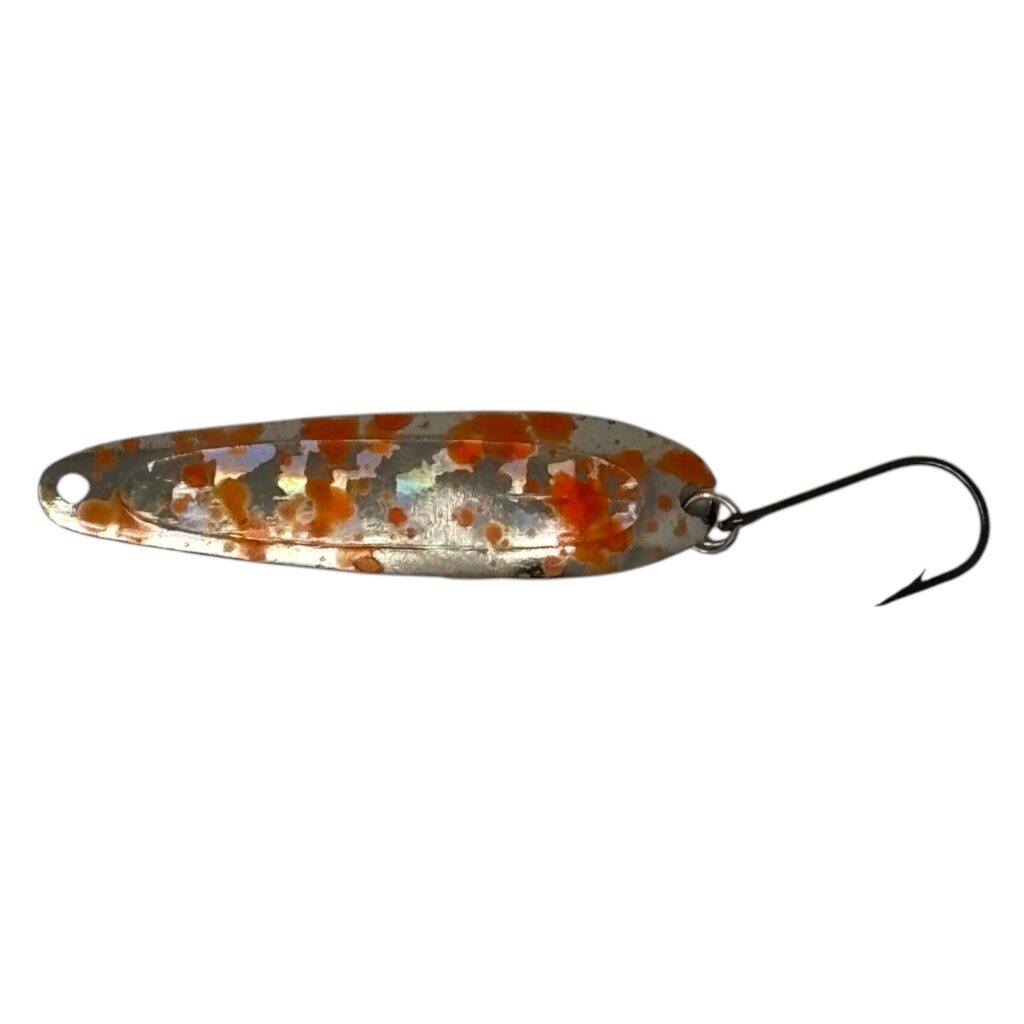
UV Orange Flash Viper Serpent Spoon™
$4.49 -
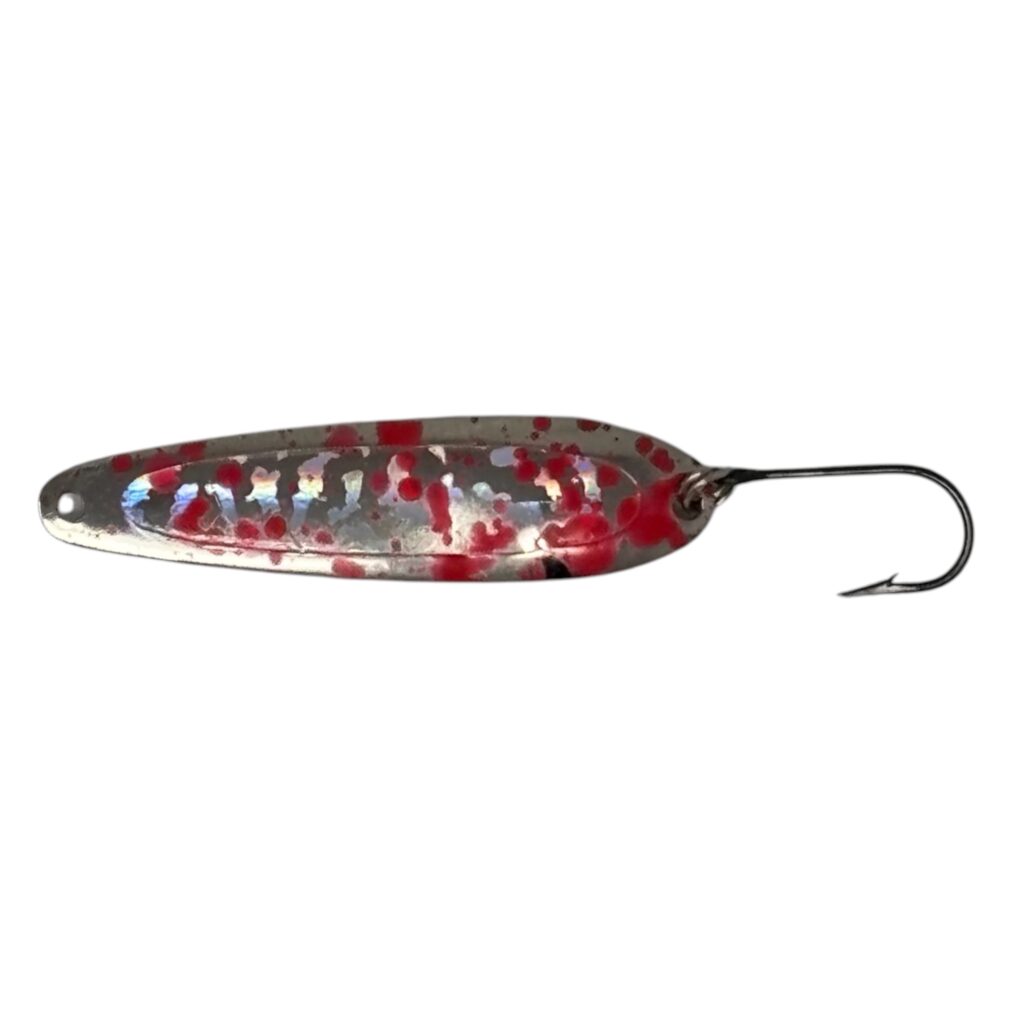
UV Pink Flash Viper Serpent Spoon™
$4.49 -
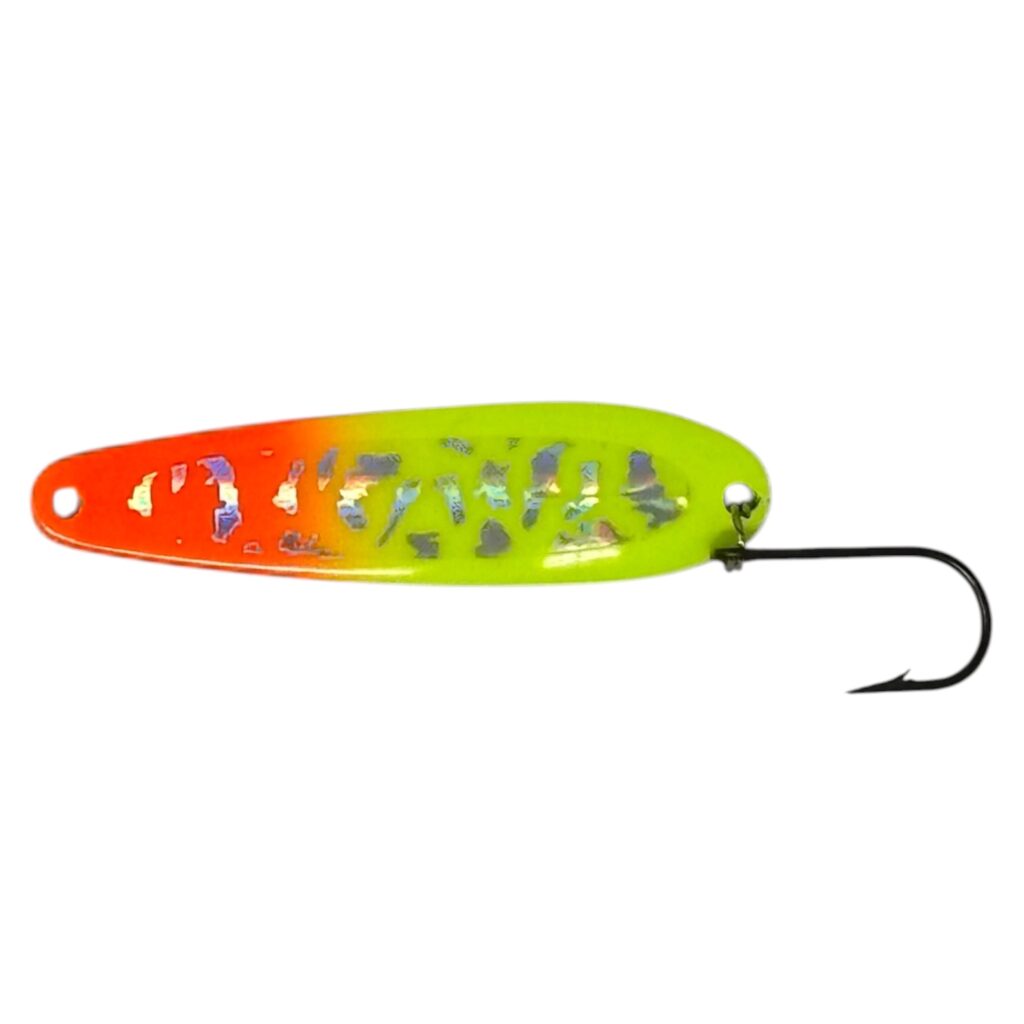
Tequila Sunrise Viper Serpent Spoon™
$4.49 -
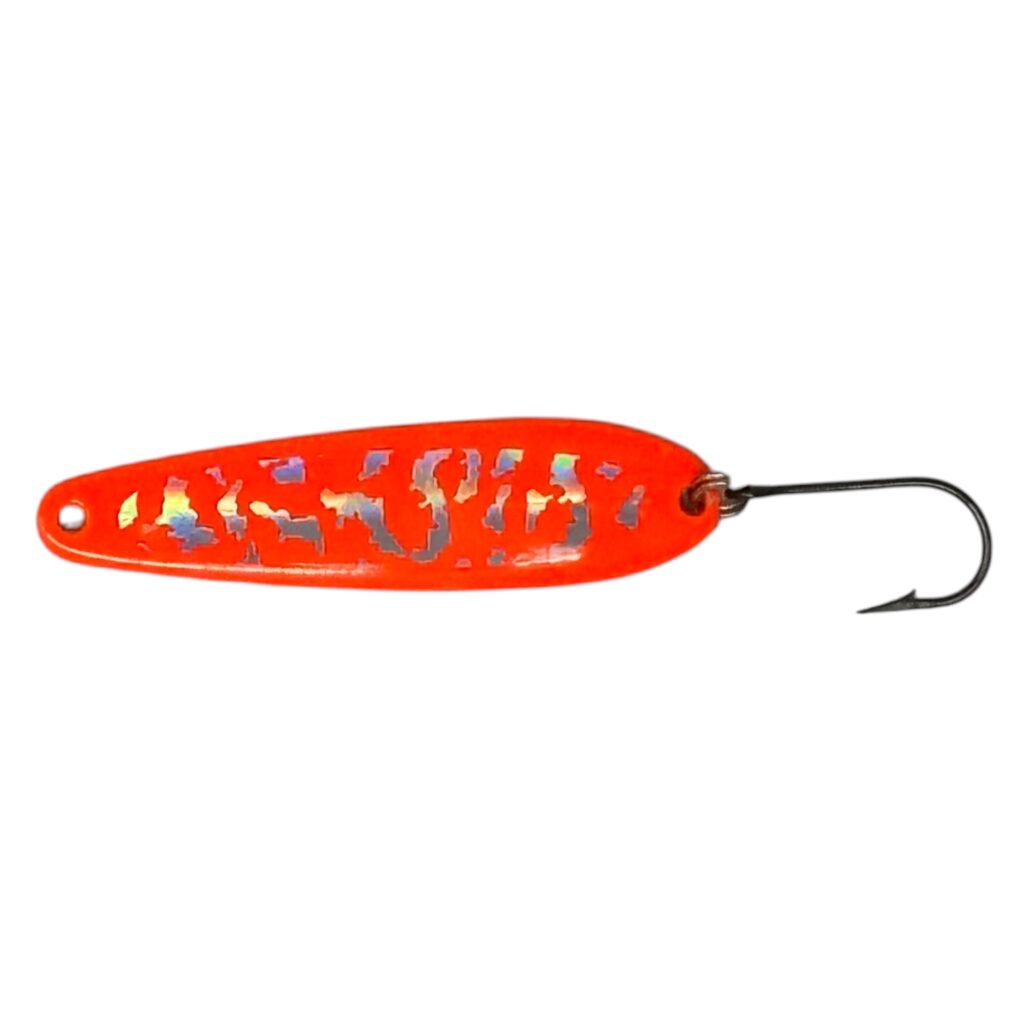
Orange Tiger Viper Serpent Spoon™
$4.49 -
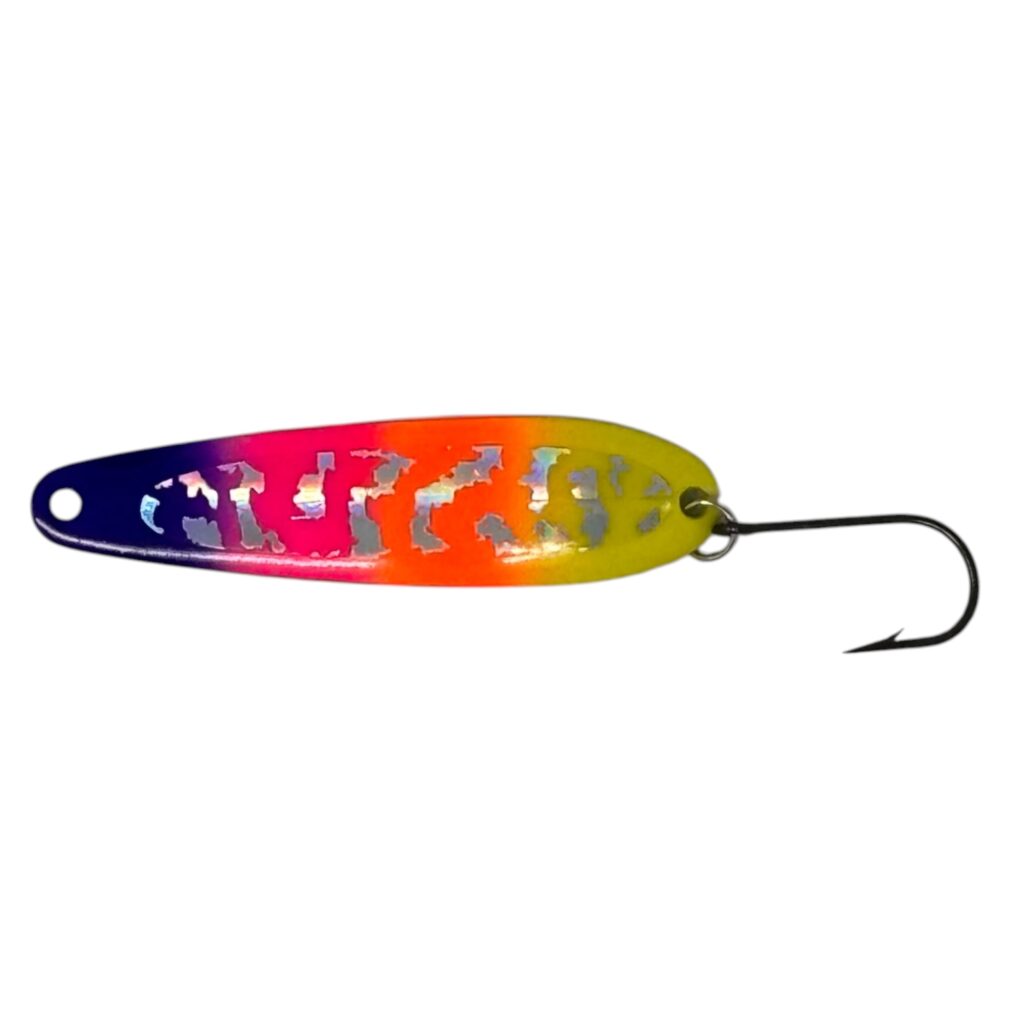
Mai-Tai Viper Serpent Spoon™
$4.49 -
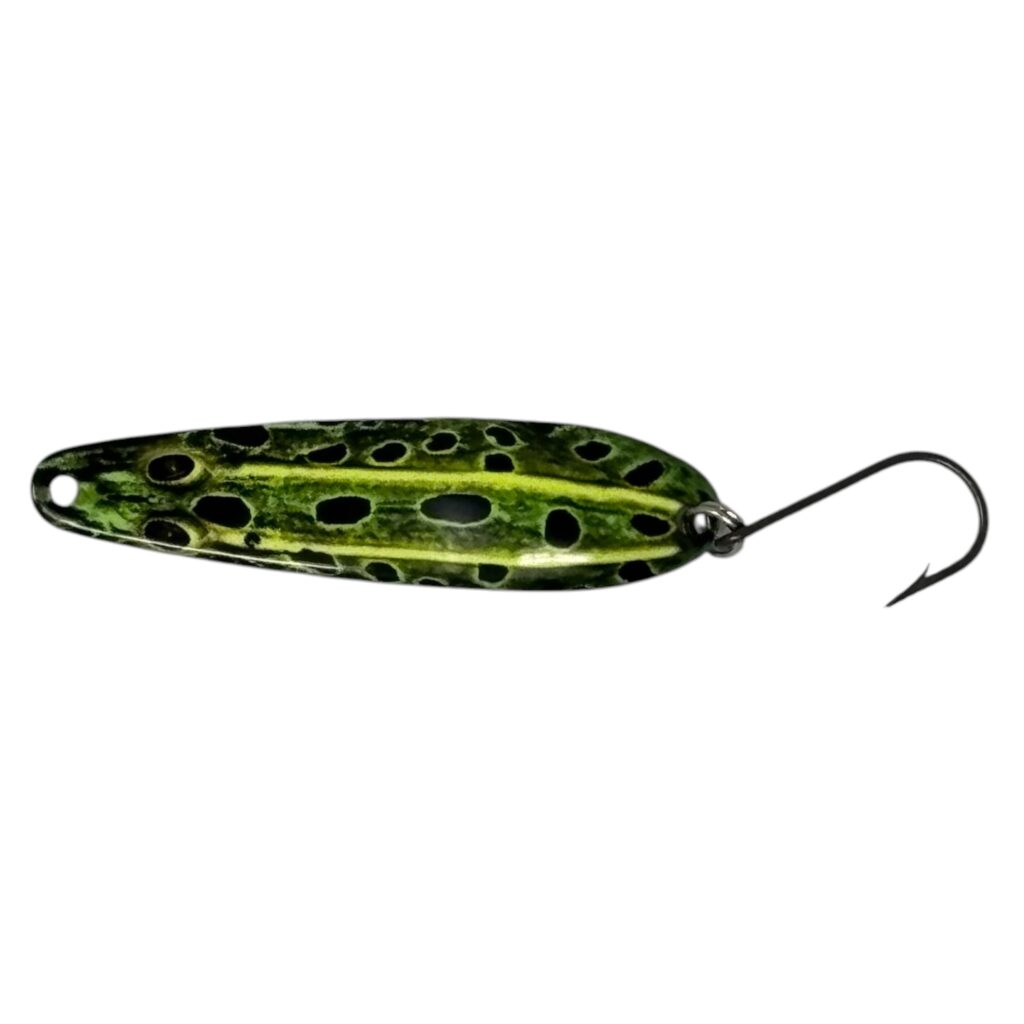
3-D Frog Viper Serpent Spoon™
$4.49 -
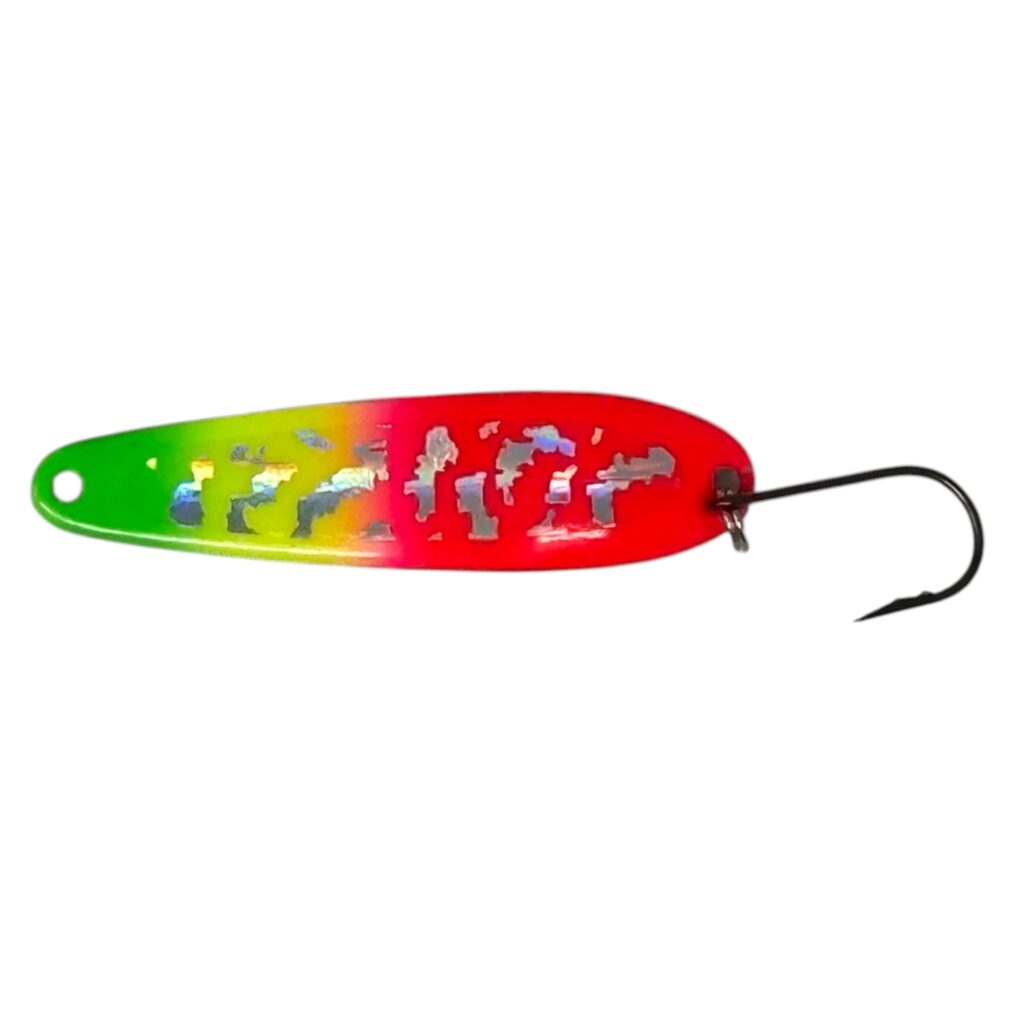
Caribbean Sunset Viper Serpent Spoon™
$4.49
4. Trolling Setup for Trout
If you own a boat and want to cover more water, trolling is a natural choice. A basic setup includes a trolling-suitable rod and reel, appropriate line, a small spoon, spinner, or other trout lure, a leader if needed, and a depth-control method when necessary.
Some lures troll well directly behind the boat; others need depth-control gear or a more specialized setup. The critical factors are lure action, speed, depth, and location. A great lure won’t help if it runs above the fish or moves too fast for them to react.
Top Selling Trout Dodgers
-
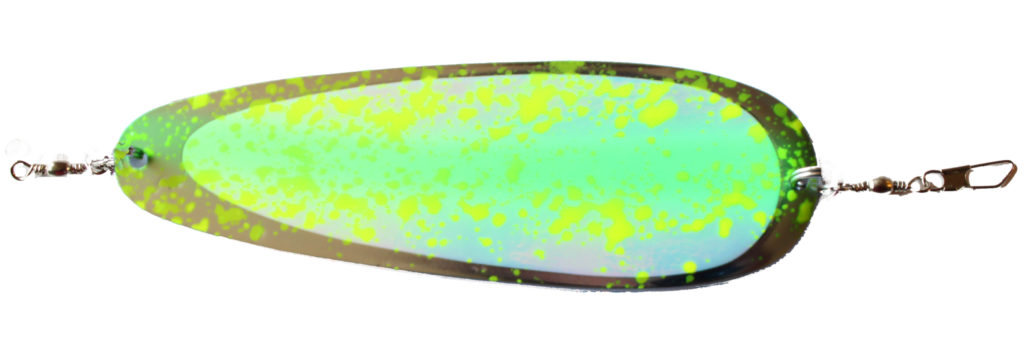
5.5″ UV Green Moonshine Signature Dodger
$9.79 -
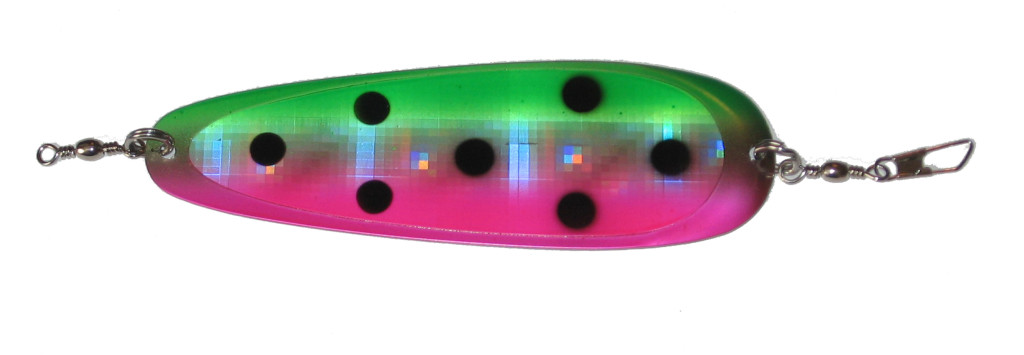
5.5″ UV Watermelon At-Tak Signature Dodger
$9.79 -
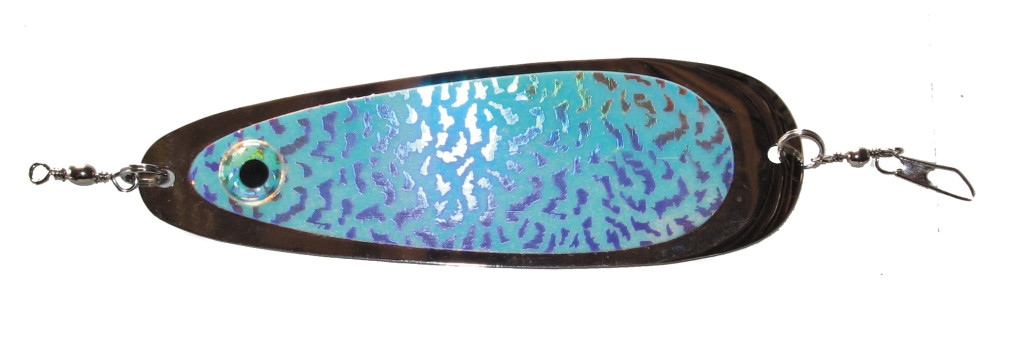
5.5″ Bahama Mamma Signature Dodger
$8.99 -
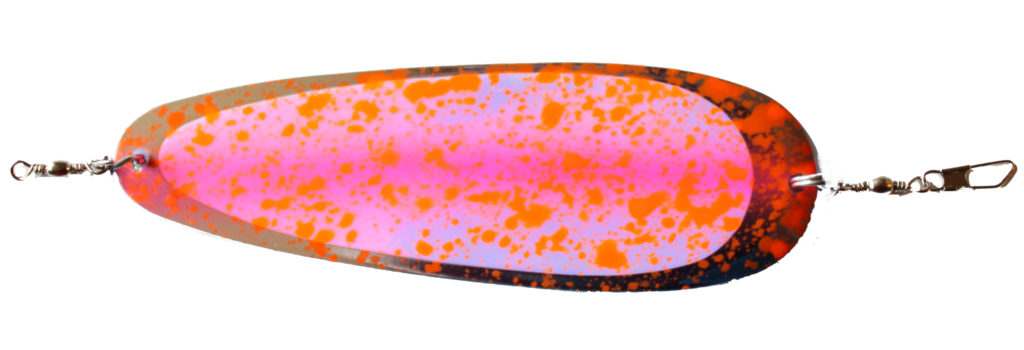
4.25″ UV Pink Moonshine Signature Dodger
$8.79 -
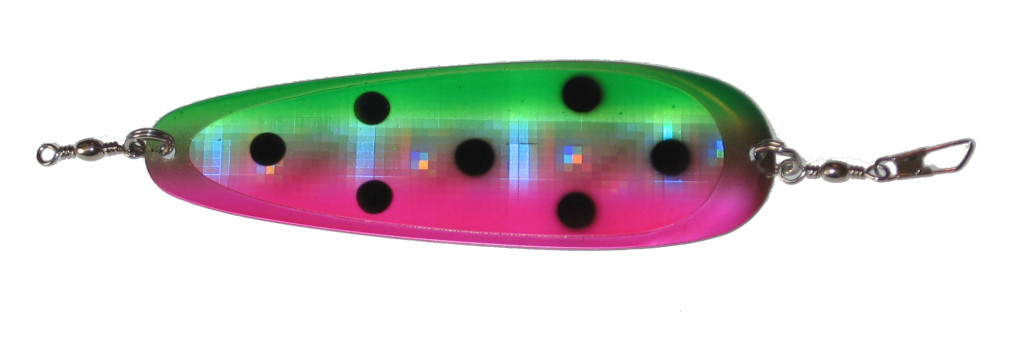
4.25″ UV Watermelon At-Tak Signature Dodger
$8.79 -
5.5″ UV Pink Moonshine Signature Dodger
$9.79 -
4.25″ UV Moonshine Dodger 3 Pack
Original price was: $26.37.$24.37Current price is: $24.37. -
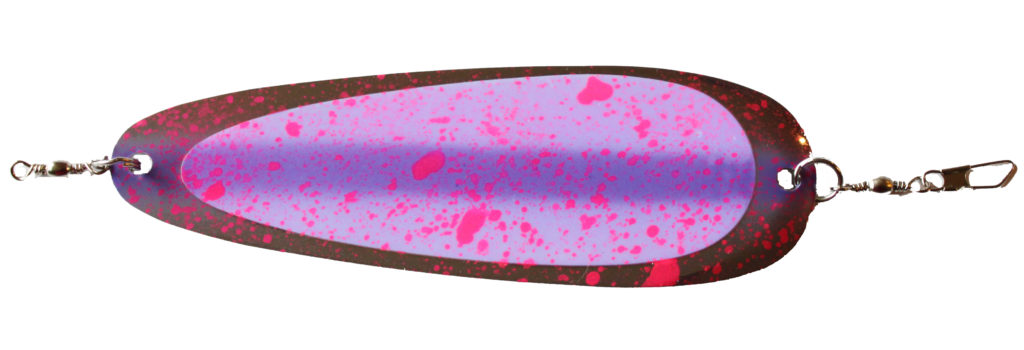
5.5″ UV Purple Moonshine Signature Dodger
$9.79 -
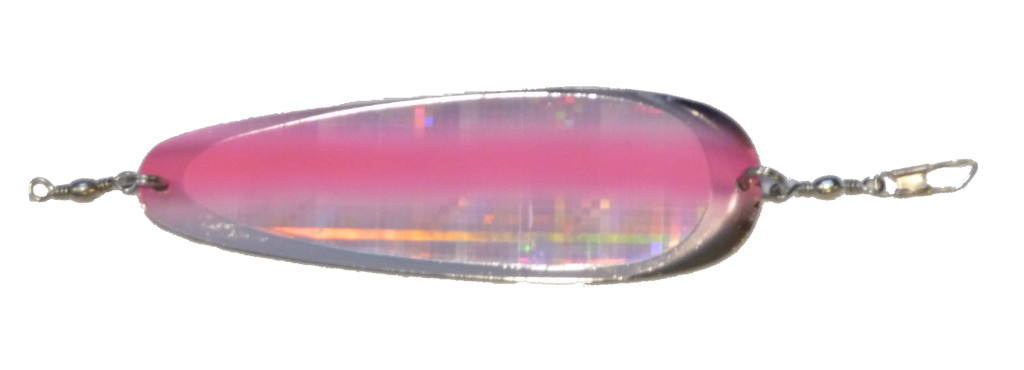
4.25″ U.V. Pink Hyper Signature Dodger
$8.79 -
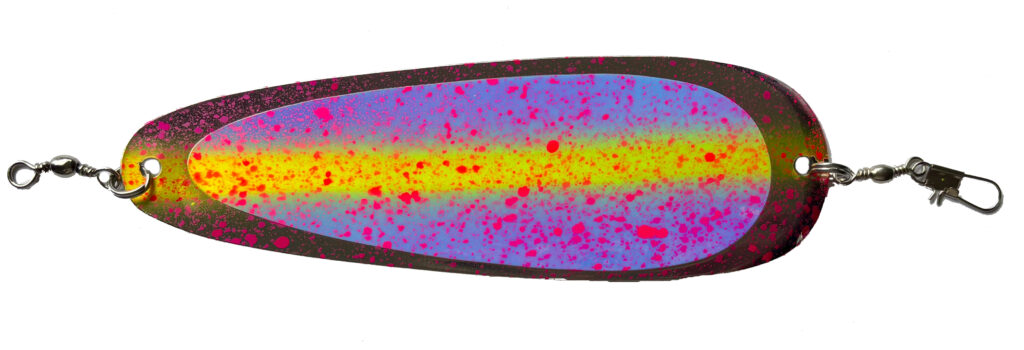
5.5″ UV Apocalypse Signature Dodger
$9.79
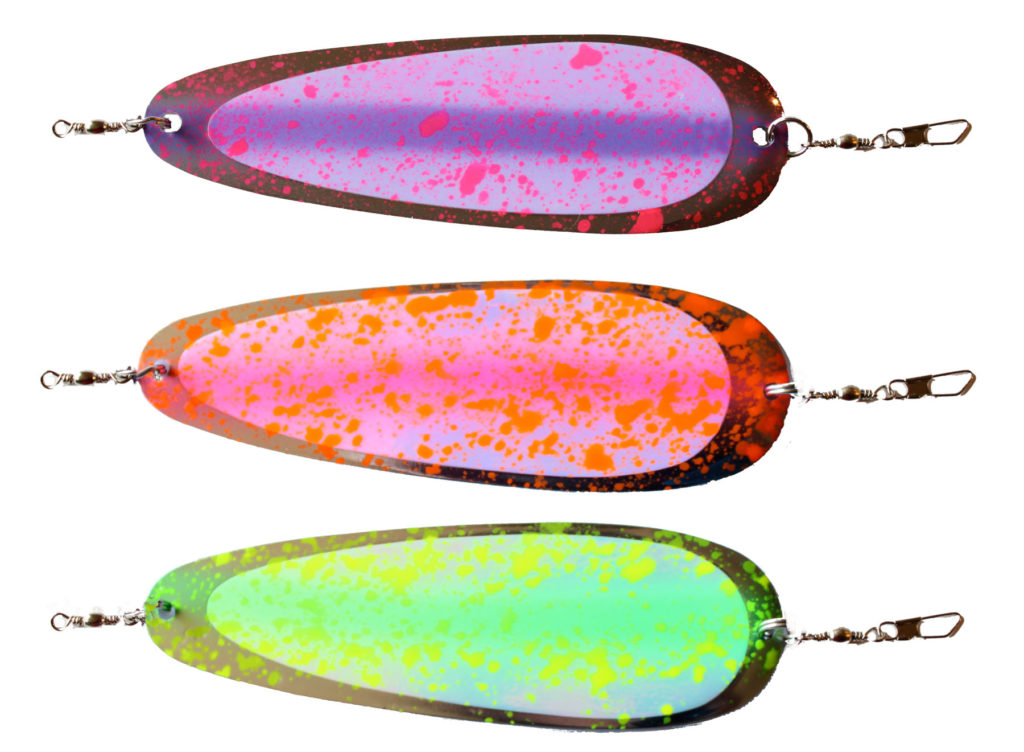
Top Selling Trout Trolling Lures
-
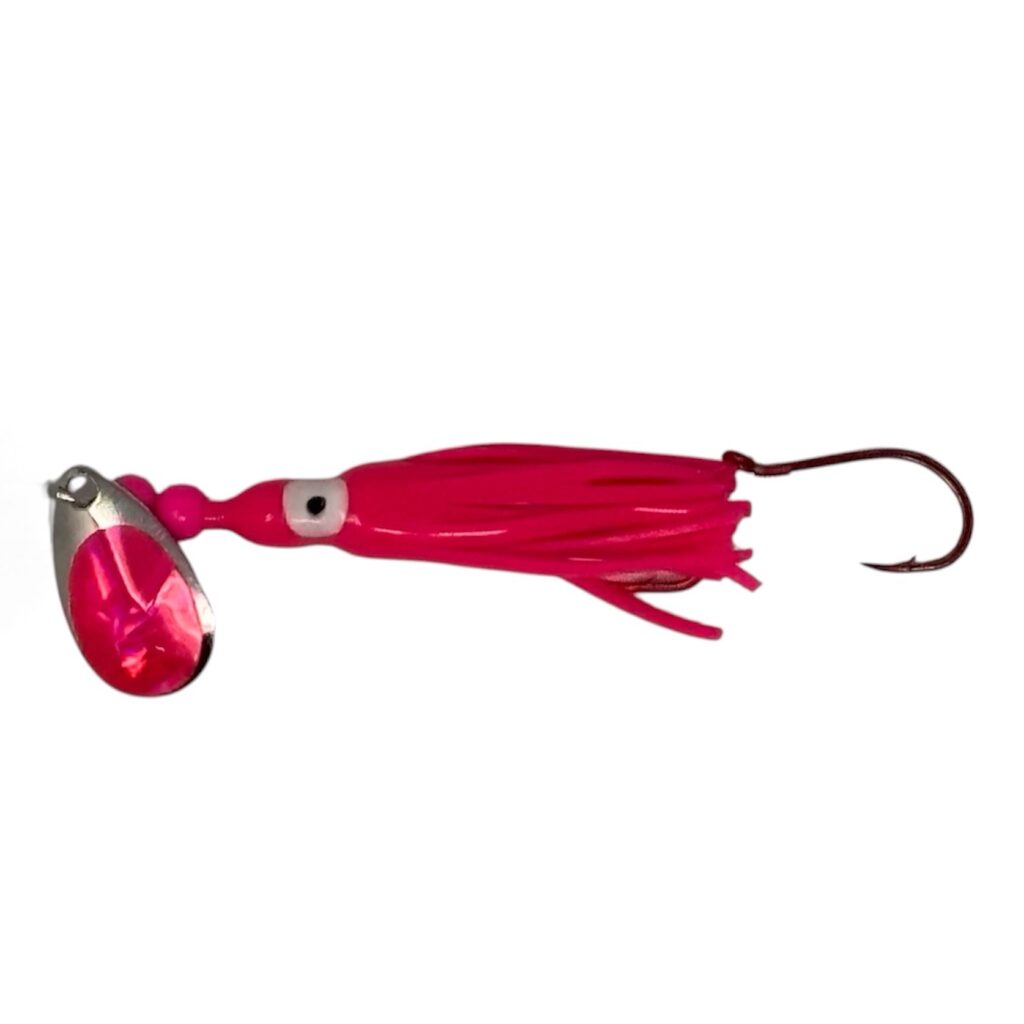
Double Glow Pink Super Squid
$4.49 -
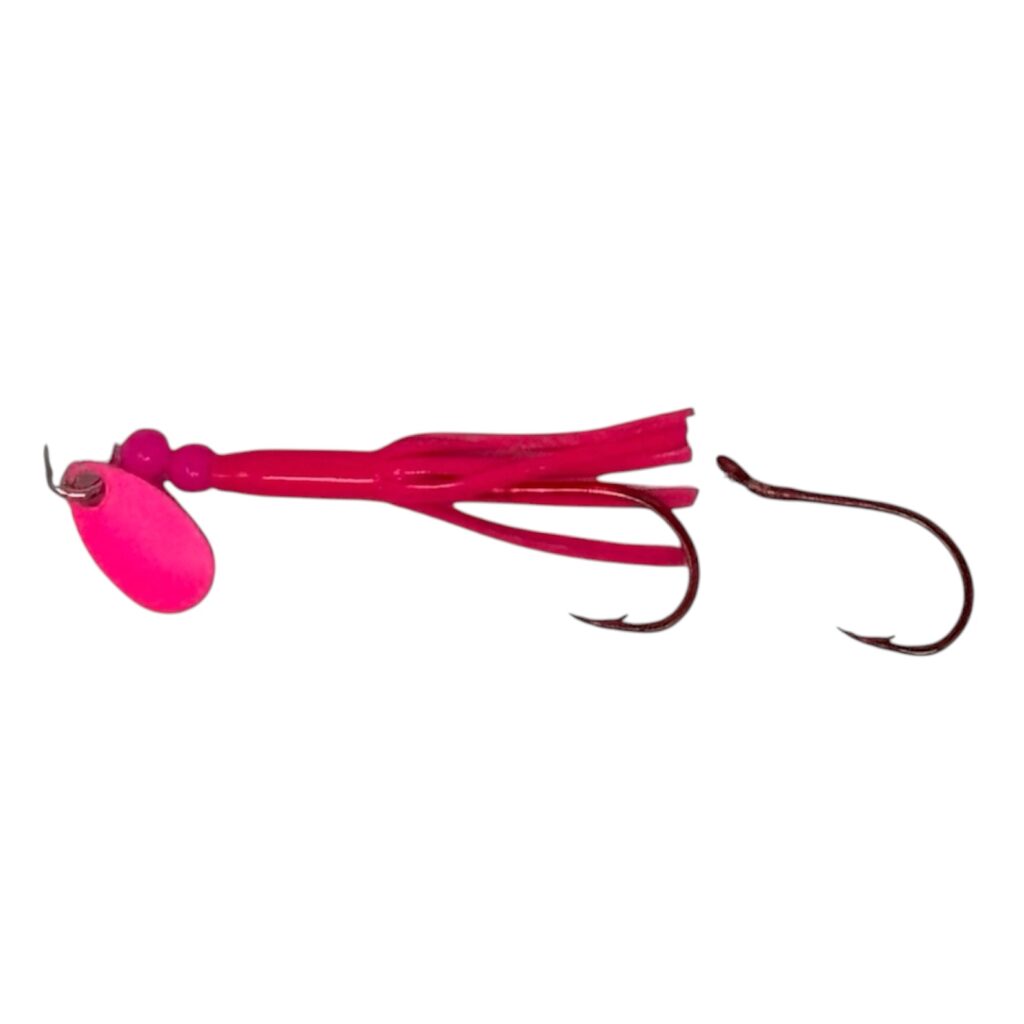
Double Glow Pink Plankton Super Squid
$4.49 -
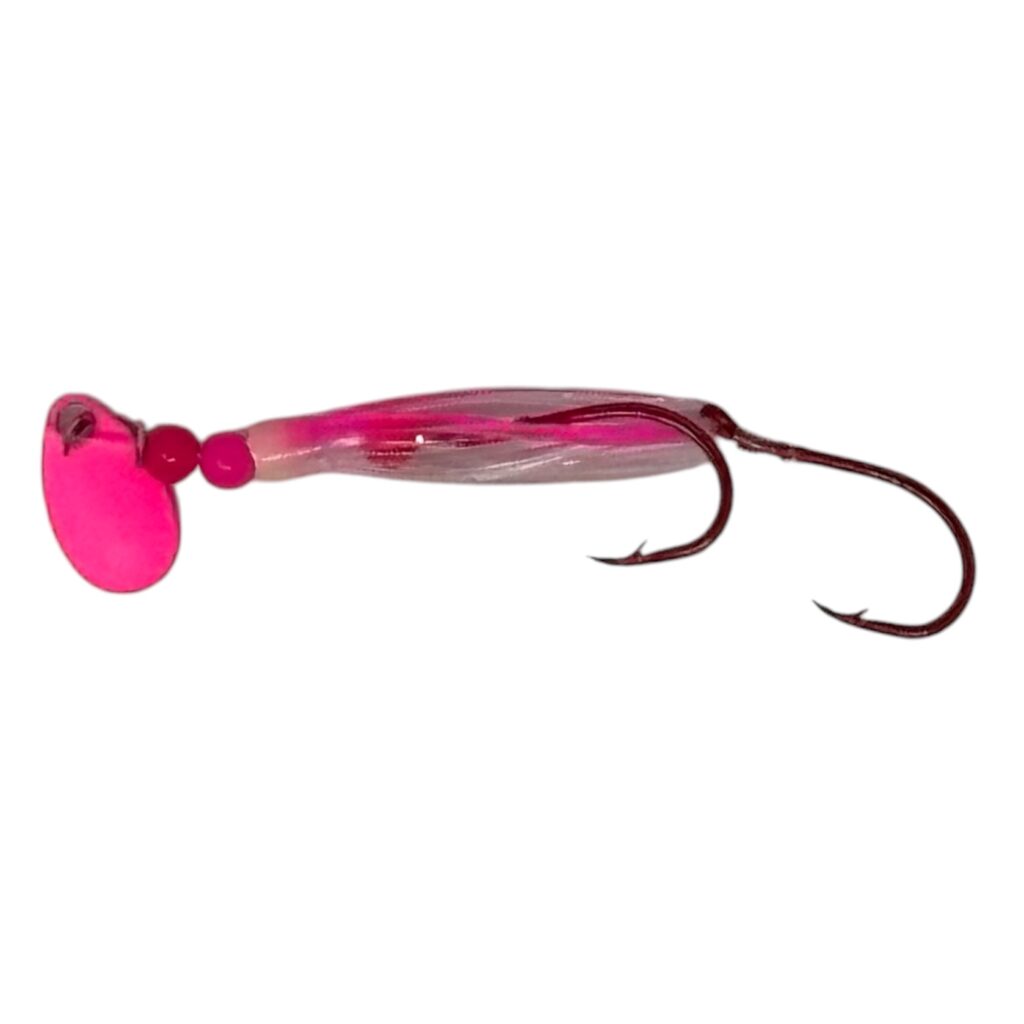
UV Pink Plankton Super Squid
$4.49 -
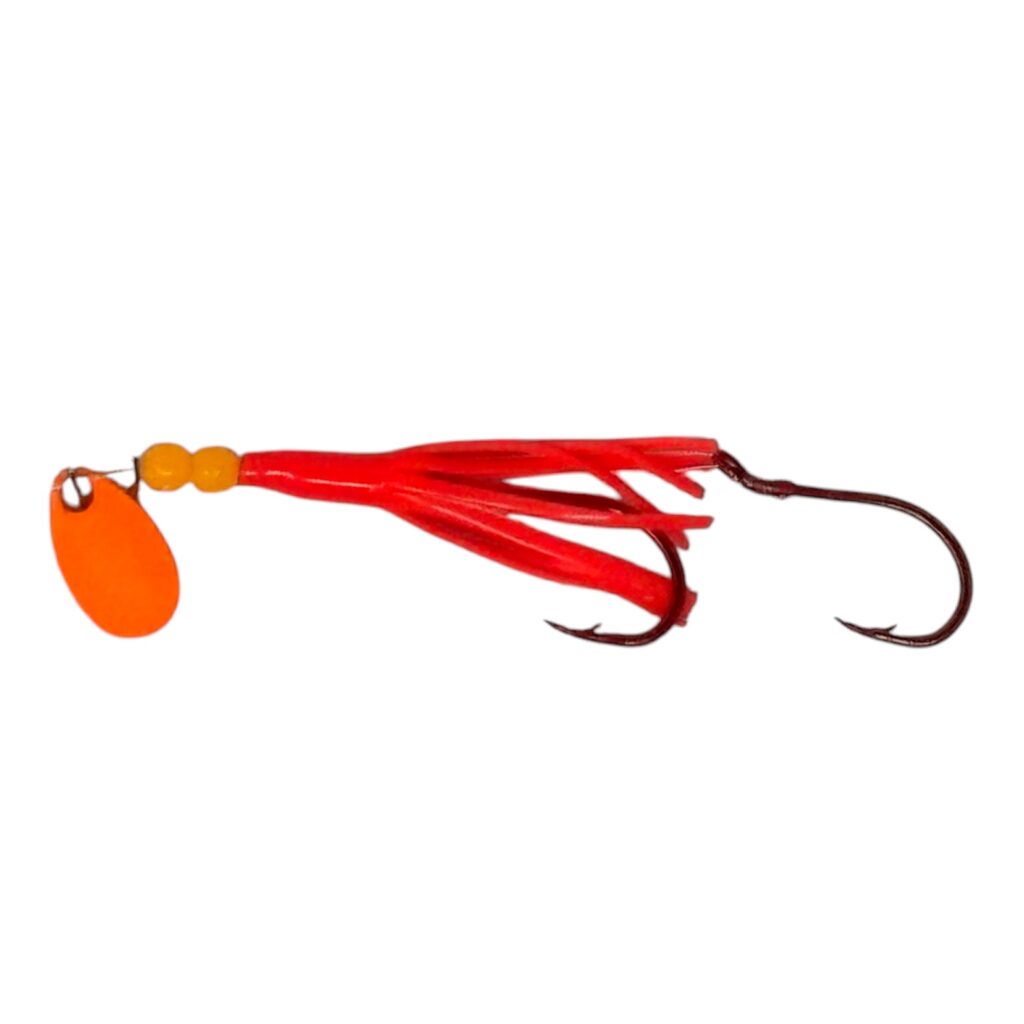
Double Glow Orange Plankton Super Squid
$4.49 -
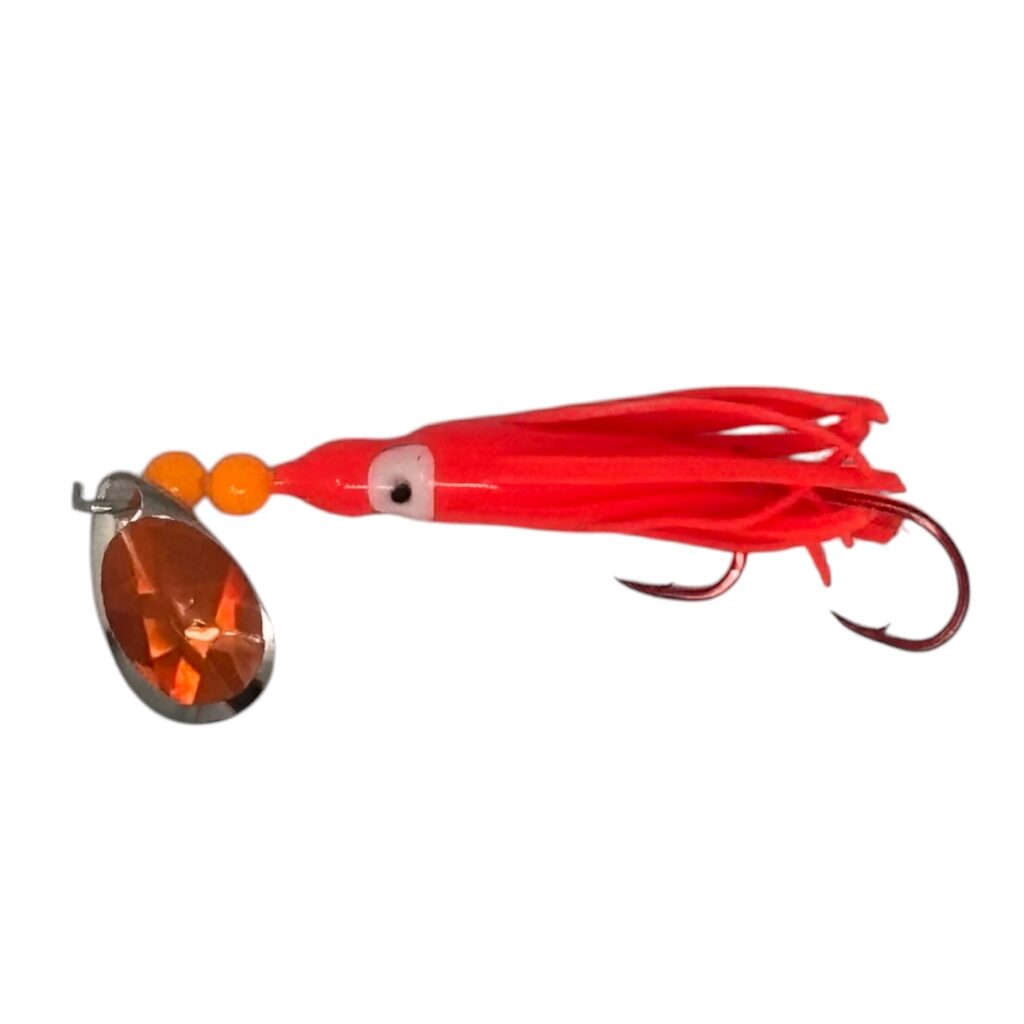
Double Glow Orange Super Squid
$4.49 -
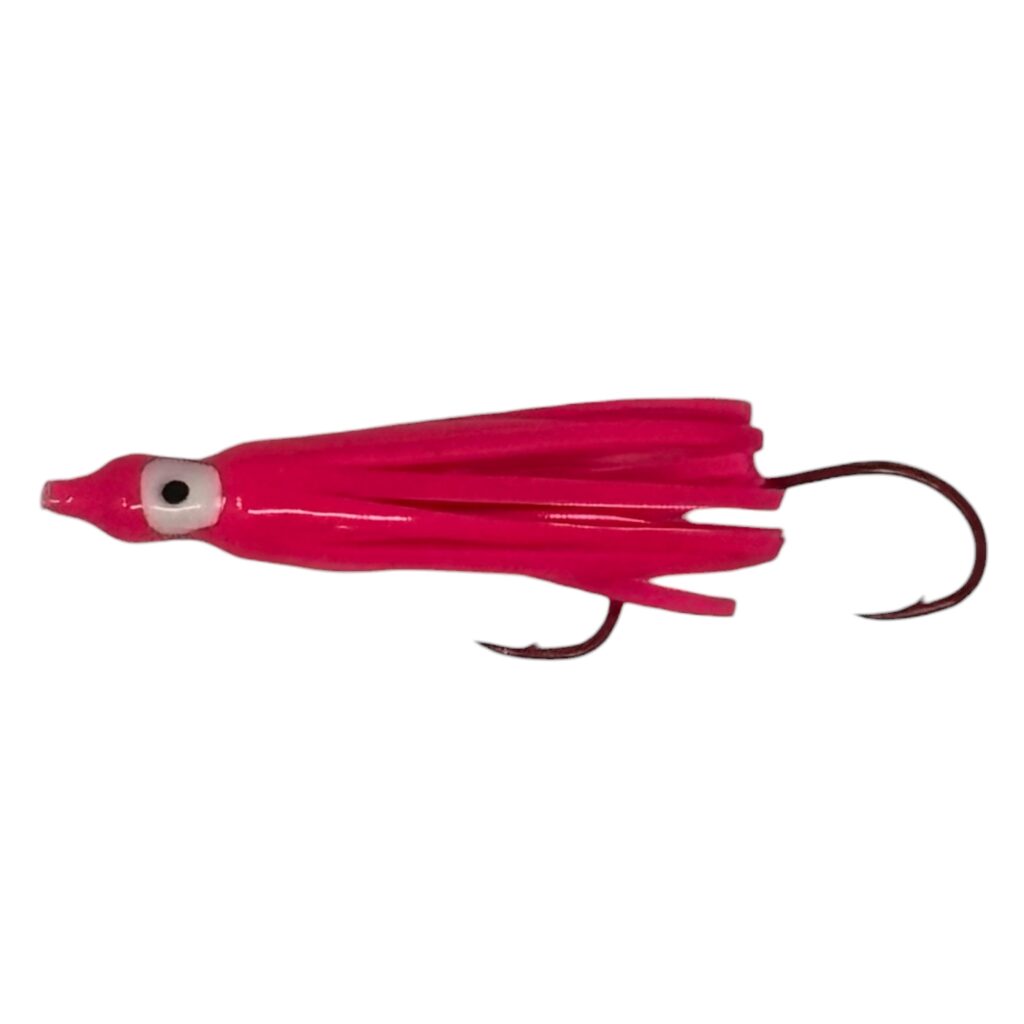
Double Glow Pink Signature Squid
$3.99 -
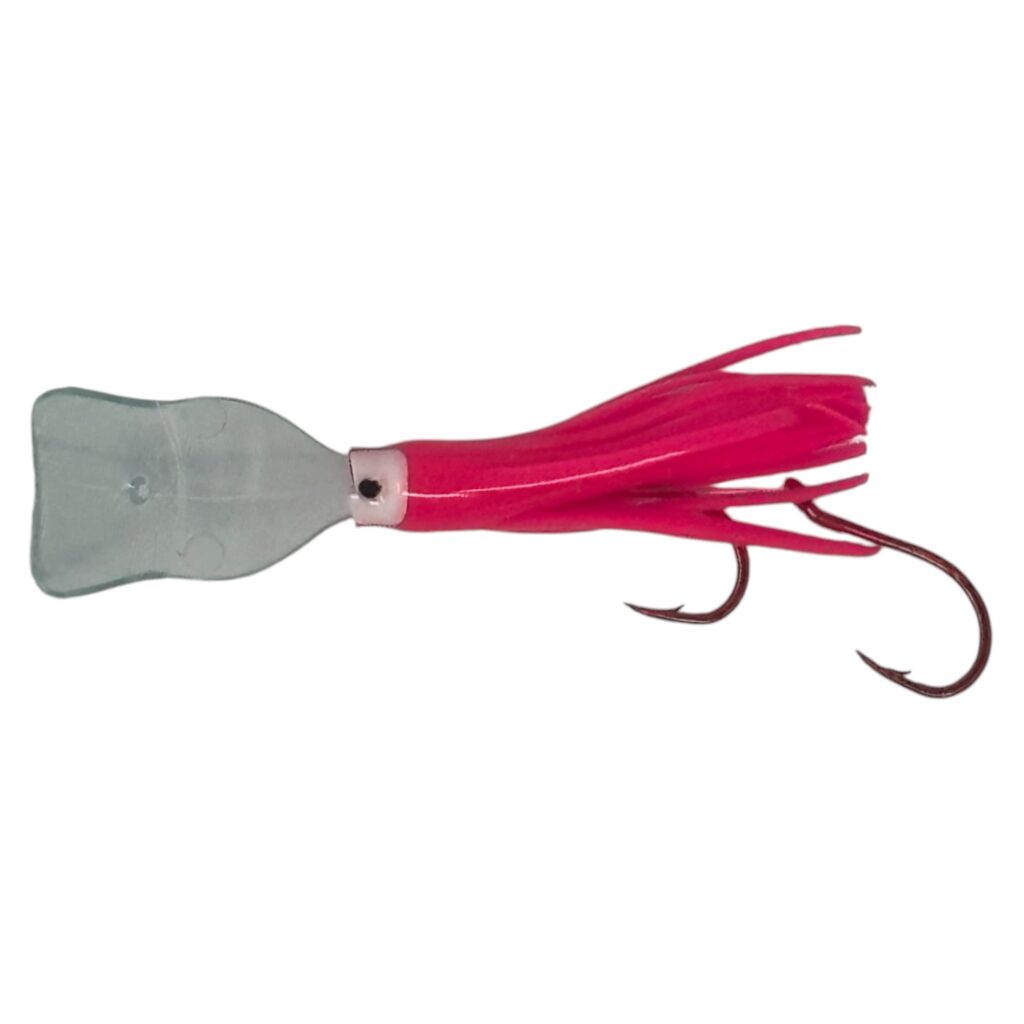
Double Glow Pink Bill Fish Squid™
$4.49 -
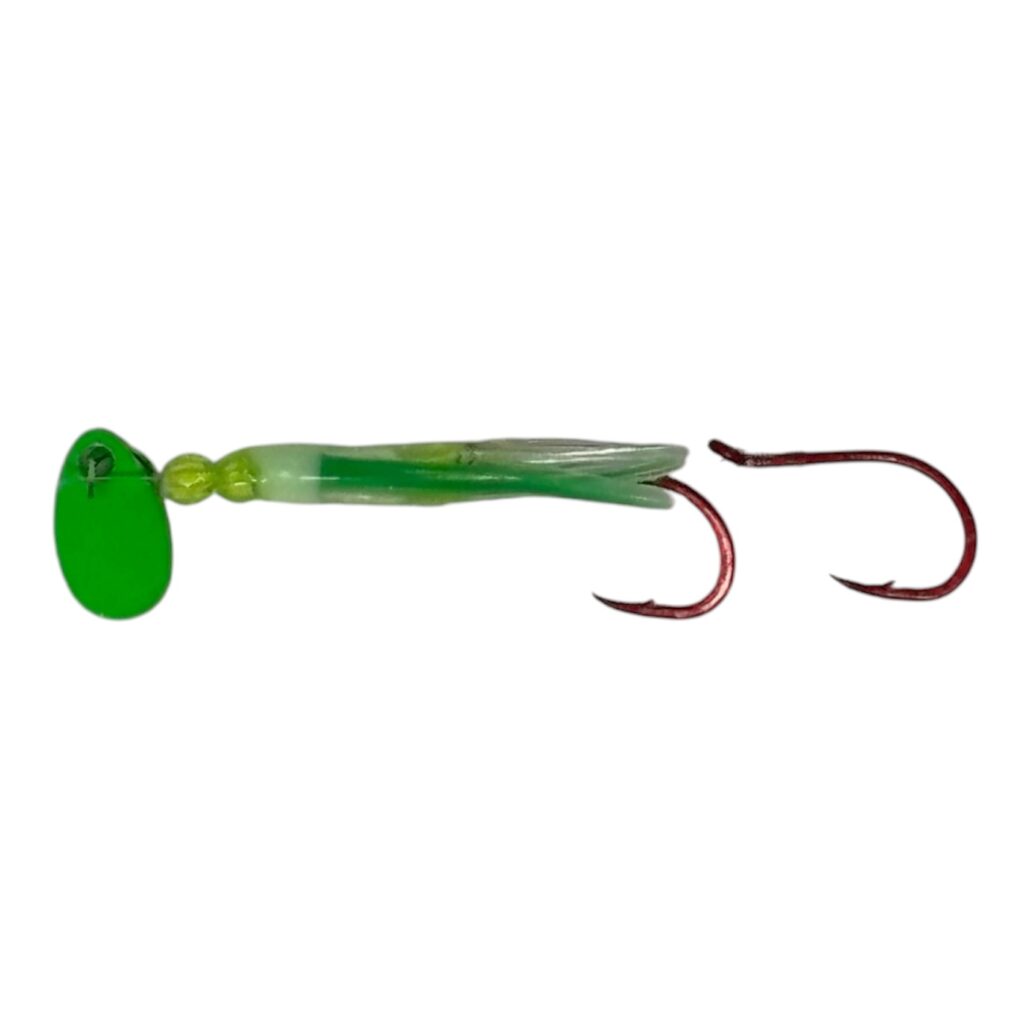
UV Green Plankton Super Squid
$4.49 -
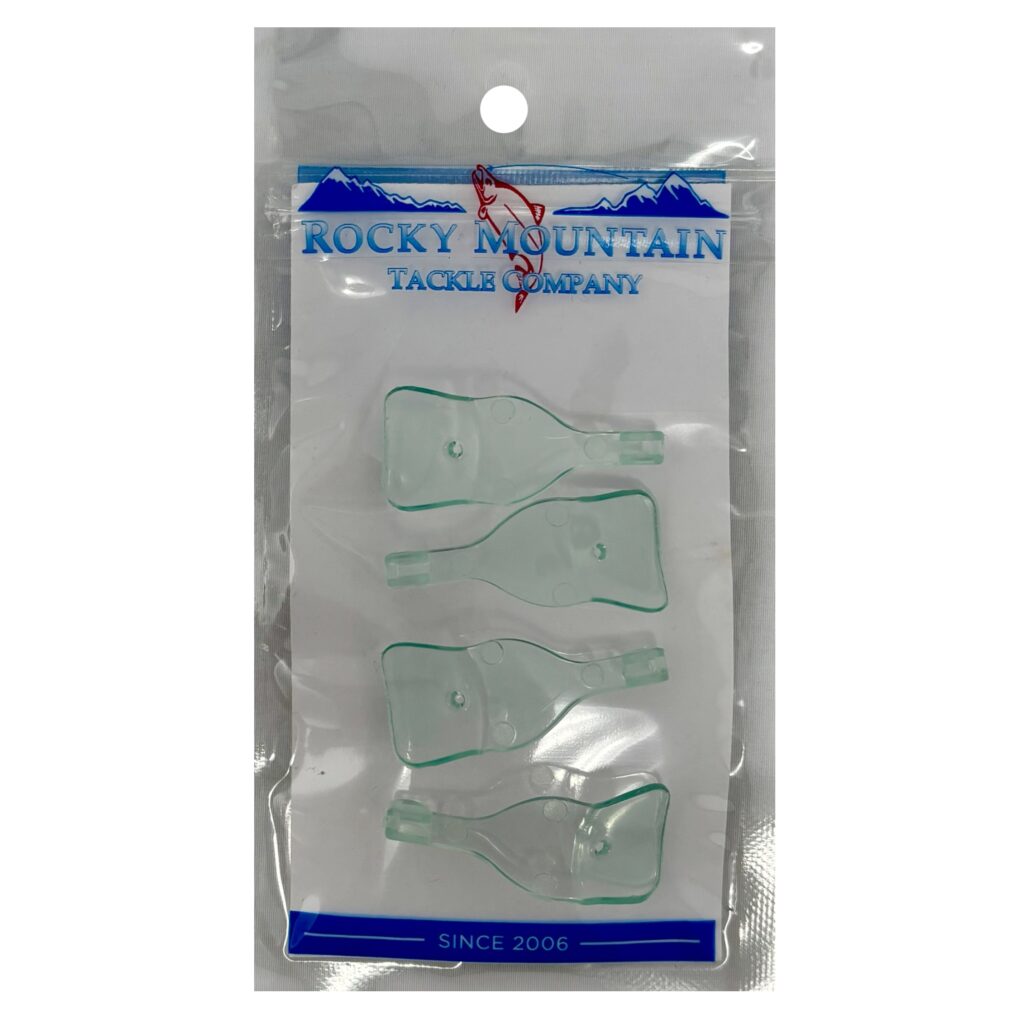
4 Pack 1.5″ Small Squid Bills
$3.99 -
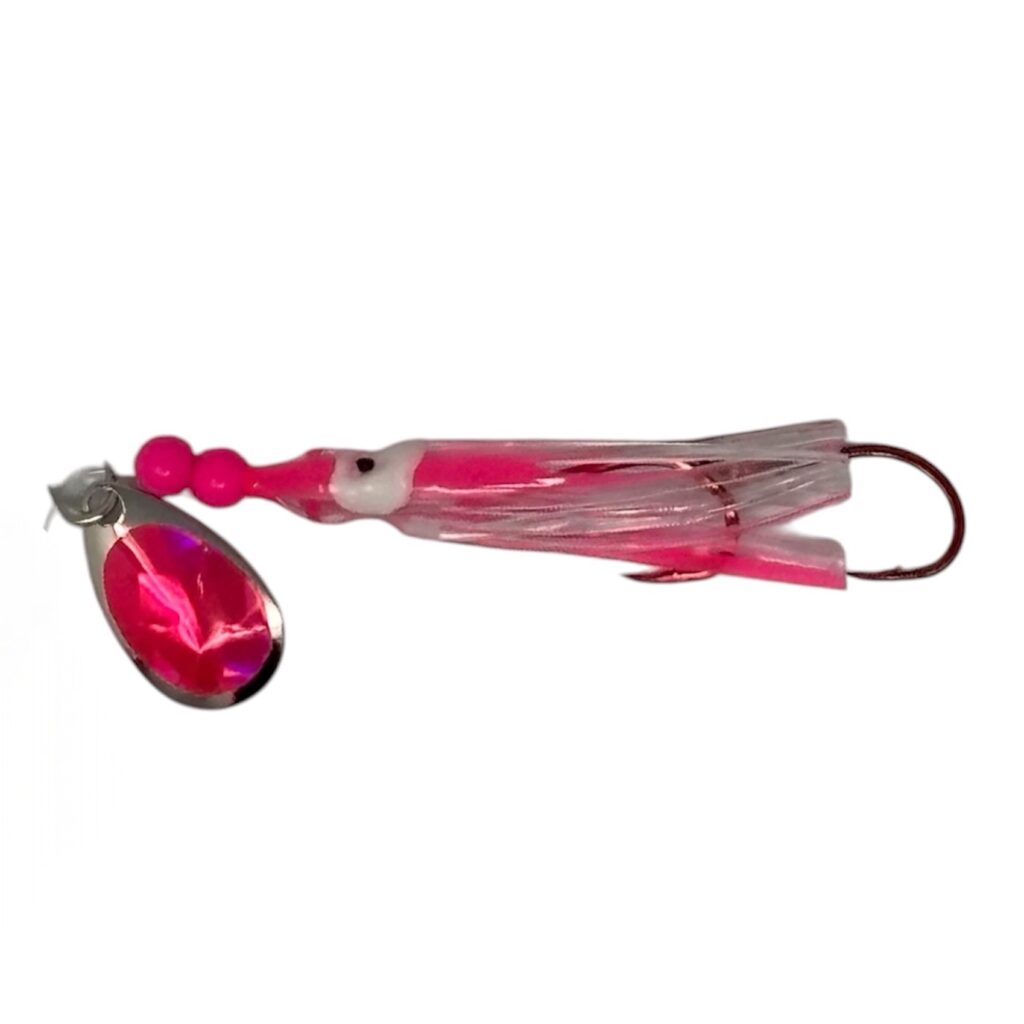
UV Pink Super Squid
$4.49
5. Vertical Jigging Setup
Ideal when you’ve located trout beneath the boat with your electronics.
- A jigging rod with suitable sensitivity and power like the Velocity Vader
- A reel with appropriate line capacity
- A jig matched to the target fish and depth
- Line strength suited to the expected fish and conditions
Drop the jig to the depth where fish appear, keep contact with the lure, and use controlled lifts, drops, and pauses. You don’t need to jig aggressively all the time; subtle movement often works better than sweeping the rod several feet.
How to Catch Trout From a Boat
A boat gives you access to more water, different depths, and offshore structure, and it makes it easier to test locations systematically. If you own one but aren’t catching many trout, start by improving how you find fish and control your presentation.
Step 1: Research the Lake Before Launching
Find out which trout species live in the lake and what’s been working recently. Look for:
- Recent stocking and fishing reports
- Lake maps and depth contours
- Weather and wind forecasts
- Water temperature information
- Access restrictions and fishing regulations
A recent report from the same lake beats a generic recommendation, but conditions change quickly. Treat reports as starting points, not guarantees.
Step 2: Start With Productive Areas
Begin with a few areas that have a reason behind them: points, drop-offs, flats, and transitions between shallow and deep water. In some lakes, open-water trout follow baitfish rather than hugging structure. Use electronics to find fish and forage, and note the depth where activity appears. If you don’t see fish, move on rather than spending the whole morning in dead water.
Step 3: Choose a Technique That Matches the Evidence
- Troll to search a larger area and find active trout.
- Vertically jig when fish are concentrated beneath the boat.
- Cast when trout feed near shore, around points, or in areas you can reach accurately.
These techniques work together. Troll to locate fish, then return to a productive area and jig if they’re holding in a small zone.
Step 4: Track What Works
Keep a simple log on your phone. Record:
- Location and time of day
- Water temperature, if available
- Depth of the fish
- Trolling speed or jigging presentation
- Lure or bait used
- Weather and light conditions
- Bites and fish caught
Over several trips, patterns emerge. If trout repeatedly respond to a certain presentation at a certain depth in similar conditions, you have a strong starting point for next time.
How to Catch Trout by Trolling
Trolling is one of the most practical ways to catch trout from a boat. It lets you cover water while presenting a lure at a controlled depth, which is especially useful when trout are scattered through a reservoir or suspended over deep water.
What Lures Work for Trolling Trout?
- Small spoons
- Trolling spinners
- Squid-style lures
- Other trout-specific trolling lures suited to the fishery
Start with a lure that matches the size of the available forage and can run at your intended depth. If trout are eating small prey, a large presentation may be less effective. If you’re targeting bigger predatory trout, a larger lure may make sense.
How Fast Should You Troll for Trout?
There’s no universal speed. A useful starting range for many small-lure trout presentations is about 1.0 to 2.0 miles per hour, but the best speed depends on the lure, species, water conditions, and fish activity. Some presentations work well outside this range.
Begin at a controlled pace and watch how your lure behaves. If possible, test it near the boat first. Make small adjustments, and if you get a bite at a certain speed, repeat it on your next pass. If the lure loses its action or acts erratically, change speed or rigging.
How Deep Should You Troll for Trout?
Match your depth to where trout are holding or feeding. In shallow water you may not need extra weight. For deeper fish, you may need a different lure, more line, weighted equipment, a diving device, or a downrigger.
Line out alone doesn’t tell you a lure’s exact depth. Actual depth depends on lure design, line diameter, speed, line length, and equipment. If you have a fish finder, identify the fish’s depth first, then choose a method that reliably puts your lure there. When you catch a trout, note the depth and presentation, and repeat that pattern before changing everything.
How to Make a Productive Trolling Pass
- Identify an area where trout or baitfish are present.
- Choose a lure and depth-control method suited to that area.
- Set a consistent trolling speed.
- Follow a route that covers the productive water.
- Record the depth and conditions of any bites.
- Repeat productive passes and make controlled adjustments.
Avoid changing speed, depth, and location on every pass, or you’ll never know what produced the bite. If you keep catching trout in the same spot, look for the reason: a depth transition, a concentration of forage, a particular temperature, or another local feature.
How to Catch Trout by Vertical Jigging
Vertical jigging targets trout holding below the boat. Instead of pulling a lure behind you, you lower it to the fish and control its movement with your rod. It can be especially effective for lake trout and other trout concentrated in deeper water.
Step 1: Locate Fish With Your Electronics
Find fish or bait beneath the boat and note the depth and whether marks are suspended or near bottom. If fish are scattered, keep searching before you commit to jigging. Sonar narrows the search, but it doesn’t guarantee a mark is a trout or that it will bite.
Step 2: Choose the Right Jig
Pick a jig that reaches the target depth efficiently and stays controllable. The right weight depends on depth, current, line, wind, and lure size. Too light, and it takes too long to reach fish or drifts off target. Too heavy, and the presentation can be unnecessarily aggressive.
Most Popular Tube Jigs for Trout
-

White Tubes
$1.89 -

Super Glow Chart Tubes
$1.89 -

Pearl Holographic Tubes
$1.89 -

J.B. Special Tubes
$1.89 -

Glow Tubes
$1.89 -

Blue Pearl Pepper Tubes
$1.89 -

Pearl Pepper Holographic Tubes
$1.89 -

Pink Pearl Pepper Tubes
$1.89 -

Black Tubes
$1.89 -

Pearl Tubes
$1.89
Step 3: Drop to the Fish
Lower the jig to the depth where fish appear, keeping enough line tension to feel the lure and detect bites. If fish hold several feet off the bottom, you don’t need to drag the jig across the lakebed. Once in the zone, use controlled movements to make the jig rise, fall, or pause.
Step 4: Experiment With the Action
- Short lifts followed by a controlled drop
- Gentle rod-tip movements
- A steady rhythm with occasional pauses
- Minimal movement when fish seem reluctant to chase
If fish approach without striking, try changing the action or pause. If they disappear from the screen, be ready to move or resume searching.
Step 5: Stay in Control During the Fight
Keep steady pressure and avoid sudden, excessive force. Let your reel’s drag handle runs, particularly on light line. For larger lake trout, use tackle suited to the fish and depth. A sensitive rod is valuable, but it still needs enough power to handle the fish safely.
Bank Fishing for Trout: A Simple Starting Approach
Boat fishing opens up more water, but beginners should also learn to fish from shore. A stocked pond or lake with accessible banks is an excellent place to practice casting, setting the hook, and landing fish.
Start With Bait or a Small Spinner
For bait, a slip-sinker or slip-float rig gives you control over presentation. For artificial lures, a small spinner or spoon lets you cover water and explore depths. If you’re still learning to cast, a compact lure or simple bait rig is easier to manage than a complicated setup.
Look for Accessible Feeding Areas
Try points, shallow flats, and areas near deeper water. If the water is clear and fish are visible, approach quietly and don’t repeatedly cast right over them. Make several casts at different angles before moving.
Keep Your Presentation Consistent
With bait, give it time to work while you watch your rod or float. With a spinner or spoon, retrieve at a speed that keeps its intended action. If there are no bites, change one variable at a time: location, depth, lure, or retrieve speed. The same principle applies from a boat or the bank.
Seasonal Trout Fishing: Adjusting Your Approach
Water temperature, forage, daylight, and fish behavior shift through the year. Seasonal patterns are good starting points, but local conditions should make the final call.
Spring Trout Fishing
Changing water temperatures, insect activity, and seasonal feeding can put trout in relatively shallow water. Stocked fish may also be accessible near shorelines and release areas.
- Check recent stocking reports where available.
- Investigate shallow flats, points, and accessible shorelines.
- Cast small spinners or spoons, or use permitted bait.
- From a boat, explore the transition between shallow and deeper water.
- Watch for changes in water temperature and wind.
Don’t assume all trout stay shallow all spring. Temperature profiles and fish location vary by lake and species.
Summer Trout Fishing
As surface water warms, trout may move deeper or seek water with better temperature and oxygen. That makes boat fishing especially useful, since you can search deeper water and use electronics.
- Start early, when conditions are often more favorable.
- Look for baitfish and trout at different depths.
- Troll to cover water and test a range of productive zones.
- Jig vertically when fish are concentrated beneath the boat.
- Confirm where the fish are rather than assuming deeper is always better.
In warm conditions, handle trout carefully and minimize time out of the water. If temperature or oxygen conditions make survival unlikely, consider switching targets or ending the session.
Fall Trout Fishing
Cooling water and changing forage patterns bring some trout into shallow areas, while others stay offshore or shift depth. Lake trout movements may change around spawning, depending on the fishery.
- Investigate points, rocky areas, and drop-offs.
- Look for concentrations of baitfish.
- Test both shallow and deeper presentations.
- Troll when fish are spread out.
- Jig when you find fish below the boat.
Always check local rules before targeting trout during sensitive spawning periods. Seasonal behavior doesn’t mean fishing is permitted everywhere.
Winter Trout Fishing
Winter options depend on the fishery. Some open-water lakes stay fishable, while others freeze and require ice-fishing equipment. Cold trout may respond to slower presentations, but behavior still varies with depth, food, and water conditions.
- Check access, ice conditions, and local regulations.
- Use appropriate safety equipment.
- Consider smaller or more controlled presentations if fish are less active.
- Pay attention to the depth where bites occur.
- Don’t assume slow fishing means you need a completely different lure.
Safety note: Never assume ice is safe based on appearance alone.
Choosing Trout Lure Colors and Sizes
Beginners often ask which color catches the most trout. Color matters, but it’s only one part of the presentation. Location, depth, action, speed, forage, and fish activity can matter just as much or more on a given day.
- Natural colors: Useful when trout are feeding on small fish or other prey a lure can imitate, especially in clear water where fish have time to inspect it.
- Bright colors: Help a lure stand out in stained water or low light, and can trigger reaction strikes, though the brightest option isn’t always best.
- Flash and vibration: Spoons and spinners attract attention and help trout locate a lure, but excessive speed or an unnatural presentation can reduce effectiveness.
A color change won’t fix a lure that’s moving too fast or running above the fish.
A Simple Lure-Selection Strategy
Start with two or three contrasting options instead of dozens of similar lures:
- One natural or subdued color
- One bright or high-visibility color
- One alternative with a different flash or action
Test them under similar conditions. If one consistently produces more bites, keep using it while the pattern holds, and record what works.
Common Trout Fishing Mistakes and How to Fix Them
Many slow days can be improved by correcting a few common mistakes.
Fishing the Wrong Depth
Problem: Your lure is consistently above or below the fish.
Fix: Use electronics, note where bites occur, and adjust your depth-control method. If you catch a trout at a certain depth, repeat that presentation before making major changes.
Changing Too Many Things at Once
Problem: You change lure, speed, depth, and location together and can’t tell what mattered.
Fix: Change one variable at a time whenever practical.
Moving Too Quickly
Problem: You abandon productive water before giving a presentation a fair test.
Fix: Work an area systematically with controlled passes, then move when you have a reason to think elsewhere is better.
Using Tackle That’s Too Heavy
Problem: Your line, hook, or hardware is oversized for the bait or lure.
Fix: Match tackle to the target species and presentation. Lighter tackle improves casting and lure action, but it must still be strong enough for the fish and conditions.
Trolling Without a Plan
Problem: You drive around the lake at inconsistent speeds without knowing where your lure is running.
Fix: Identify productive areas, control your speed, understand your lure’s depth, and record the results of each pass.
Ignoring Changing Conditions
Problem: You keep fishing the same depth or spot after temperature, wind, light, or forage conditions change.
Fix: Reassess. If fish disappear from one area, try another depth or location rather than assuming the whole lake shut down.
Overcomplicating Your Gear
Problem: You spend more time choosing tackle than fishing it.
Fix: Start with a small group of proven setups and learn each one before adding more.
Trout Fishing Troubleshooting Guide
Not getting bites? Start with the most likely problem and make one adjustment before moving to the next.
| What you’re seeing | What it might mean | What to try |
|---|---|---|
| No bites while trolling | You may be outside the fish’s location or depth | Check electronics, vary depth, or move to another area |
| Fish on the screen but no strikes | Your lure may be moving incorrectly or passing outside their feeding zone | Adjust speed, depth, or jigging action |
| Bites stop after a productive period | Fish may have moved or conditions may have changed | Recheck depth, forage, and nearby structure |
| Lures twist the line | The lure may be spinning or the rig may be poorly matched | Inspect rigging and consider an appropriate swivel |
| Trout follow but don’t strike | They may be inspecting the lure without committing | Try a different retrieve speed, pause, size, or color |
| Bait fishing produces no action | The bait may be in the wrong location or depth | Check bait presentation and test a different area |
| Fish break off during the fight | Line, knots, drag, or hook setup may be unsuitable | Inspect knots and line, set drag correctly, and use balanced tackle |
| You catch fish only in one small area | A specific depth, structure, or forage pattern may be concentrating fish | Repeat the productive route and document conditions |
The goal isn’t to try every adjustment. It’s to identify the most likely cause and test a practical fix.
How to Land Trout and Handle Them Properly
Getting a bite is only part of the job. Good handling reduces injury and improves survival when you release fish.
- Set your drag correctly. Your drag should let line leave the spool under pressure instead of forcing the line to withstand every run. Set it before fishing and adjust carefully during the fight. Don’t lock it down just because a fish is pulling hard.
- Use a landing net when appropriate. It helps you control the fish without repeatedly lifting it out of the water. If you plan to release the trout, keep it in the water as much as possible.
- Handle fish with wet hands. Avoid squeezing the body or touching the gills. Remove the hook promptly and safely with pliers or forceps, and cut the line if removing a deeply embedded hook would cause excessive injury.
- Follow local regulations. Rules for seasons, limits, tackle, bait, and special protections vary by waterbody and species. Don’t assume neighboring lakes or rivers share the same rules.
Your First Trout Fishing Plan: What to Do on Your Next Trip
If you’ve been fishing for trout without much success, don’t try to master every technique at once. Pick a plan you can execute and learn from.
Before You Leave
- Choose a lake or reservoir known to hold your target trout species.
- Check recent fishing reports, stocking information, weather, and regulations.
- Prepare one basic bait setup and one artificial-lure setup.
- If fishing from a boat, check your electronics and depth-control equipment.
- Decide which areas you’ll investigate first.
During the First Hour
- Begin in an area with a clear reason to be productive.
- Use a simple presentation you understand.
- Record the depth, speed, or retrieve you’re using.
- Watch for fish, baitfish, and other signs of activity.
- If you see no evidence of fish, move instead of repeating the same unproductive pass.
When You Catch a Trout
Stop and think about what made it possible. Was the fish suspended in open water? Were you trolling at a specific depth? Did it strike as the lure accelerated or slowed? Were you near a point or drop-off? Repeat those conditions and see if you can catch another.
When You’re Not Catching Fish
Don’t immediately buy a new lure or change everything. First confirm you’re fishing water that holds trout. Then make sure your presentation reaches the fish. Finally, adjust speed, lure action, or bait presentation. If you can’t find fish after a reasonable search, change locations.
Frequently Asked Questions About Trout Fishing
What Is the Easiest Way to Catch Trout?
For beginners, bait fishing with a simple slip-sinker or slip-float rig is an accessible starting point where bait is permitted. Small spinners and spoons are also great because they let you cover water and learn how trout respond to moving presentations. The easiest method depends on the fishery, conditions, and whether you’re fishing from a boat or shore.
What Is the Best Bait for Trout?
Worms and permitted prepared trout baits are common starting options, and other natural baits may work depending on the waterbody and regulations. No bait is best everywhere. Match the bait to the species, conditions, and feeding behavior, and make sure your rig presents it at the right depth.
What Is the Best Time of Day to Catch Trout?
Early morning and evening can be productive because light and temperature may favor feeding. Trout can feed throughout the day, though, especially when conditions are suitable or fish are holding deeper. Use local observations and recent reports to decide when to fish.
What Depth Should I Fish for Trout?
There’s no universal depth. Stocked trout may be accessible in relatively shallow water, while lake trout and other trout in deep reservoirs may hold much deeper. Use electronics when available and adjust your presentation to where fish are located.
What Is the Best Lure for Trout?
Small spinners and spoons are versatile starting options for many trout fisheries. Trolling lures and vertical jigs can be more appropriate for certain boat-fishing situations. Choose based on the target species, forage, depth, and technique rather than assuming one lure works everywhere.
How Fast Should I Troll for Trout?
A starting speed of about 1.0 to 2.0 miles per hour works for many small-lure presentations, but the right speed depends on the lure and fishery. Some situations call for slower or faster speeds. Test the lure’s action, make small adjustments, and record the speeds that produce bites.
Can You Catch Trout From a Boat Without a Downrigger?
Yes. Many trout can be caught by trolling shallow-running lures, casting, or vertical jigging without a downrigger. A downrigger is useful when you need to present a lure at a controlled depth, especially for deeper fish. The equipment you need depends on the depth and species you’re fishing.
Why Am I Not Catching Trout Even Though I See Fish on My Fish Finder?
Seeing fish doesn’t guarantee they’re feeding or that your lure is in the right place. Your marks may also be other species or objects. Try adjusting your presentation depth, changing the lure’s action, or testing a different location. When jigging, keep the lure in the zone where fish appear and watch how they respond.
Is Trout Fishing Good for Beginners?
Yes. Trout fishing is an excellent way to learn casting, knot tying, lure selection, fish handling, and reading water. Stocked lakes and ponds offer accessible opportunities, and boat fishing adds more ways to locate and target fish. Start with simple tackle and focus on one technique at a time.
What Should I Bring on a Trout Fishing Trip?
Bring a suitable rod and reel, line, hooks, weights, swivels, a small selection of baits or lures, pliers, and a landing net. Also carry any required fishing license, suitable clothing, water, and safety equipment. If you’re fishing from a boat, check your navigation equipment, the weather forecast, and required boating safety gear before departure.
Final Thoughts: Better Trout Fishing Starts With a Better Plan
Learning to catch trout is less about owning the perfect lure and more about understanding the fish, choosing the right location, and presenting your tackle effectively.
Start with a simple setup. Learn where trout are holding. Pay attention to depth, speed, and seasonal conditions. When something works, repeat it and record the results. When it doesn’t, make a deliberate adjustment instead of changing everything at once.
- From a boat: Troll to cover water and locate active fish, then consider vertical jigging when your electronics show trout beneath you.
- From shore: Present bait or small lures at the right depth and work productive areas carefully.
Most importantly, keep learning. Every trip teaches you a little more about your local fishery.
At Rocky Mountain Tackle, our goal is to help anglers make better decisions on the water through practical fishing knowledge and quality tackle. Explore our fishing education resources, learn how different presentations work, and choose gear that matches the way you fish. Better preparation leads to more confident days on the water, and more chances to make great memories with family and friends.